Graden
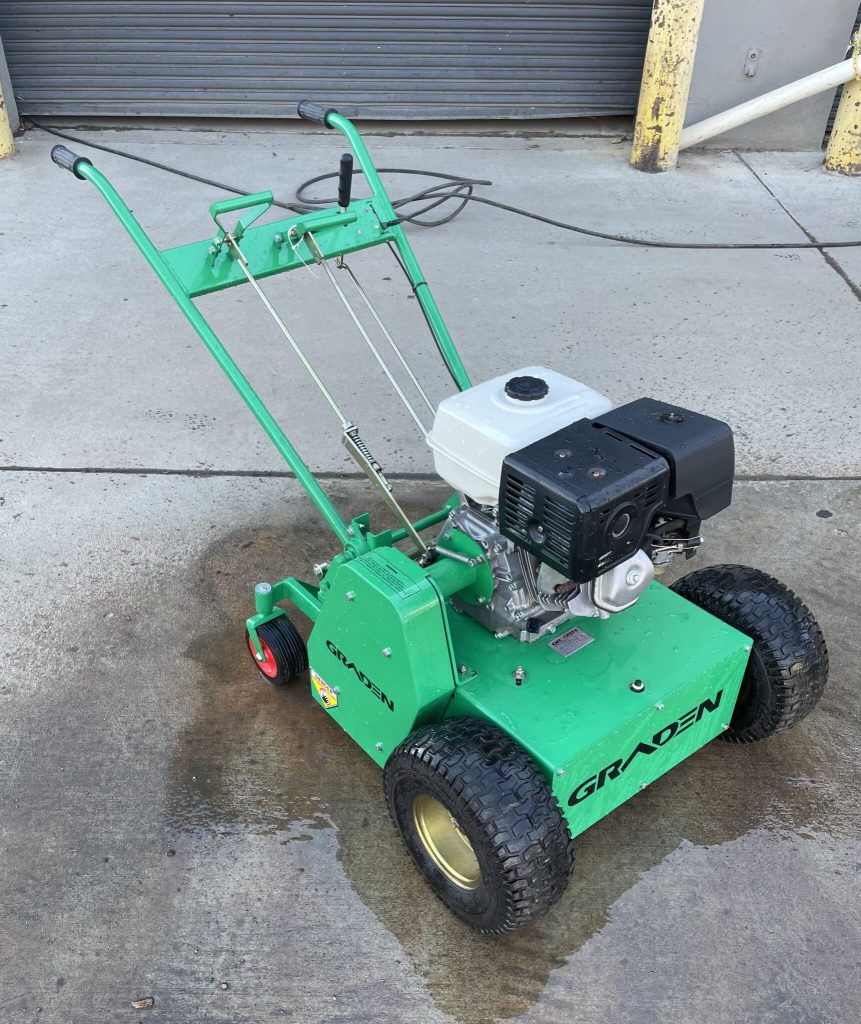
gs-04 (green, tee verticut): professional turf-maintenance machine widely used for verticutting, scarifying and dethatching surfaces like golf greens, tees, lawns, sports turf, etc.
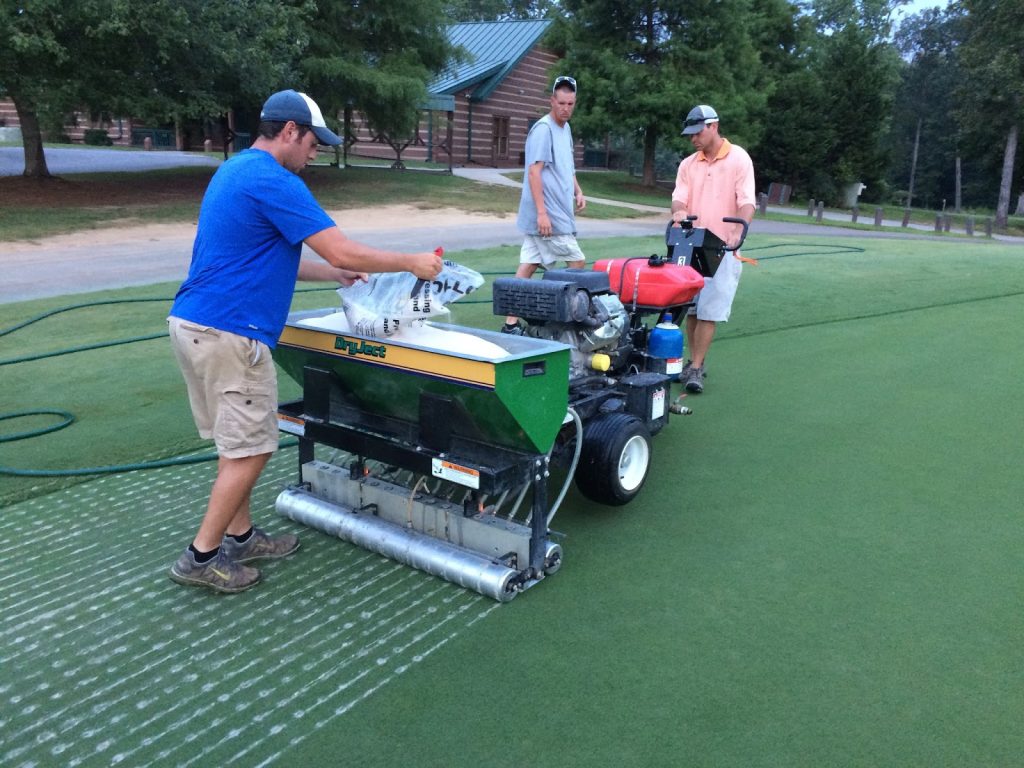
sand injection (green rehabiliatation): “sand injection” / “green rehabilitation” on a golf green / turf can look like — sand being injected (or sand/seeds applied), turf maintenance equipment, and finished greens after treatment.
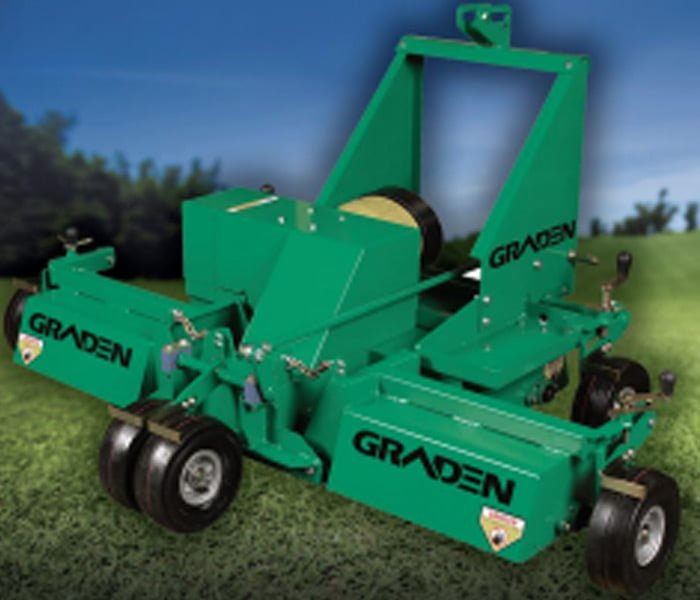
swing wing (fairway verticut): “swing-wing” style fairway verticut / scarification machine (typically used on fairways, tees, and other larger turf areas)
Woodbay
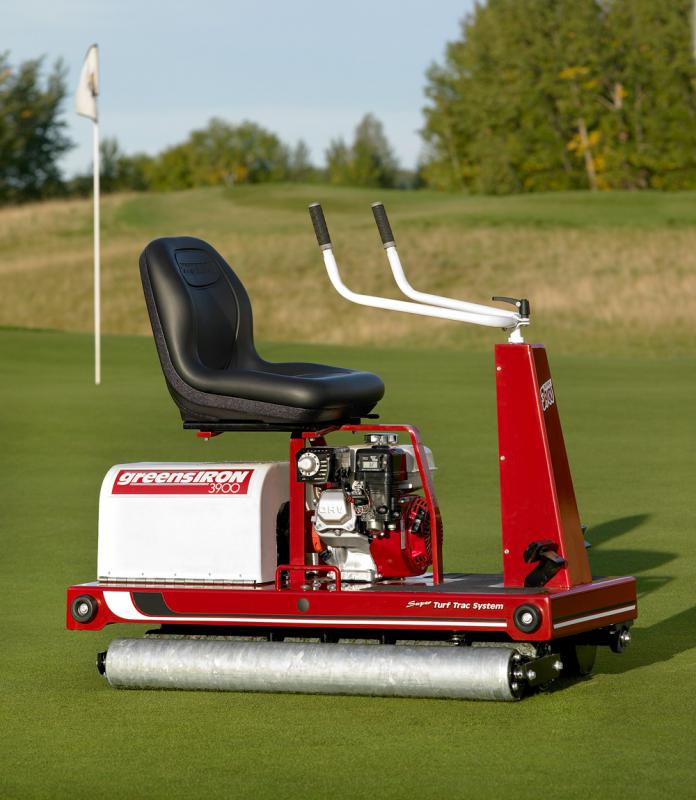
green iron 3900 (light roller): Wood Bay Turf Technologies’s greensIRON 3900 light lawn/green roller, sometimes described as a “light-roller” for putting greens / fine turf surfaces
✅ What is greensIRON 3900
- The greensIRON 3900 is a powered turf roller designed to roll golf greens — to firm and smooth the surface and maintain a consistent, tournament-quality putting surface. WoodBay Turf UK+2rrproducts.com+2
- It uses a drive roller of 39″ × 6.75″ (tapered ends to avoid ridging) with a “Super Turf Trac” non-slip covering. WoodBay Turf UK+1
- Steering is via two smaller 39″ × 4.5″ galvanized steering rollers, helping it maneuver even on undulating greens. WoodBay Turf UK+1
- It is powered by a Honda GX160 5.5 hp engine coupled with a Hydro-Gear hydrostatic transmission, giving smooth, variable-speed control for rolling. woodbayturftech.com+1
- Its operating “ground pressure” is relatively low — about 3.6 psi — which makes it light enough that its footprint is said to be “lighter than a person making a putt.” Landscape and Amenity+1
- Rolling performance: approximately 1000 sq ft per minute at recommended speed (≈ 6–10 mph) — meaning a green can be rolled efficiently in a short time. WoodBay Turf UK+1
🎯 What it’s used for / Why it’s good
- It’s used to improve green smoothness and consistency, producing a firm, true putting surface that golfers prefer — especially for tournament-level greens. woodbayturftech.com+1
- Because of its low ground pressure and smooth roller design, it’s gentle on turf: it firms and smooths surfaces without the level of disruption (and potentially damaging compaction) that heavier equipment might cause. Landscape and Amenity+1
- Accessories such as a “turf broom” or “turf ventilator / slit-aeration attachment” can be added — letting you combine rolling with light aeration or top-dressing work, which helps with water/air movement in the root zone and supports turf health. woodbayturftech.com+2woodbayturftech.com+2
⚠️ What it’s not — and when it makes sense
- This is a roller — not a deep-aeration or scarification machine. So it’s meant for surface finishing, not heavy dethatching, verticutting, or deep soil rehab. If your turf needs thatch removal or deeper aeration, you’d typically use other types of machines (scarifiers, verticutters, core aerators) before rolling.
- Rolling alone won’t solve deep compaction, drainage issues, or heavy thatch — it’s complementary to a broader turf-management program.
turf feeding
eco-friendly injection system (auto pH control device): systems for turf/green maintenance that resemble what you described: “eco-friendly injection systems / automatic pH-control + fertigation (fertilizer + irrigation)”. These are commonly used in golf courses, sports turf, landscapes, and are increasingly relevant where environmental concerns and resource efficiency matter
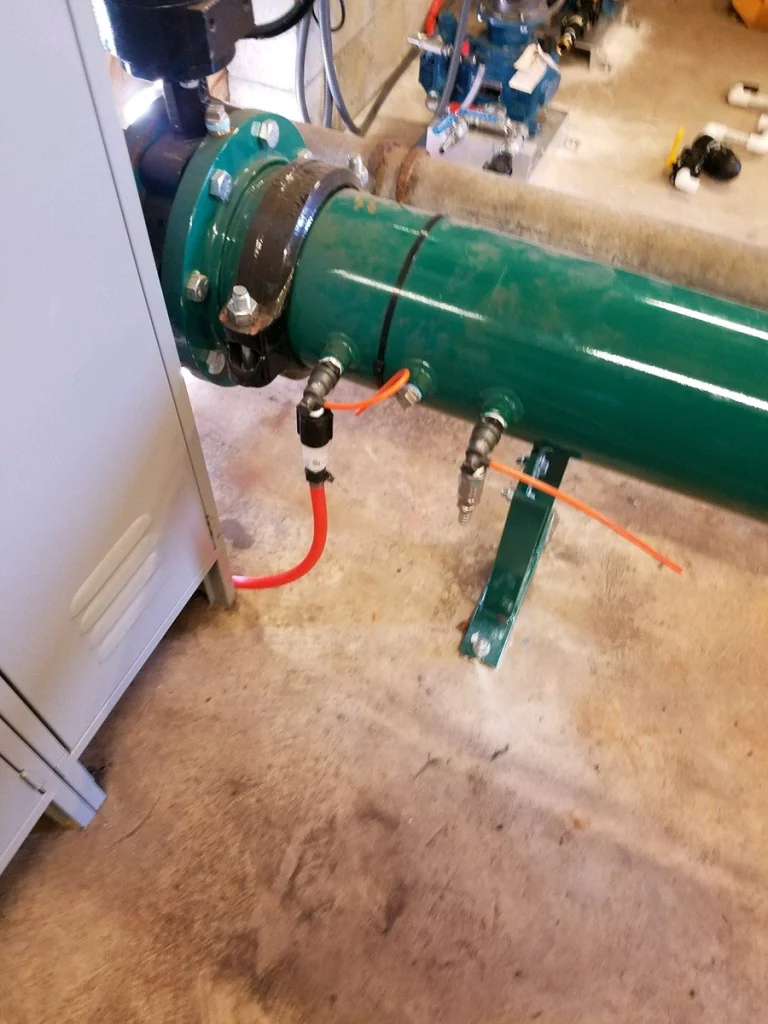
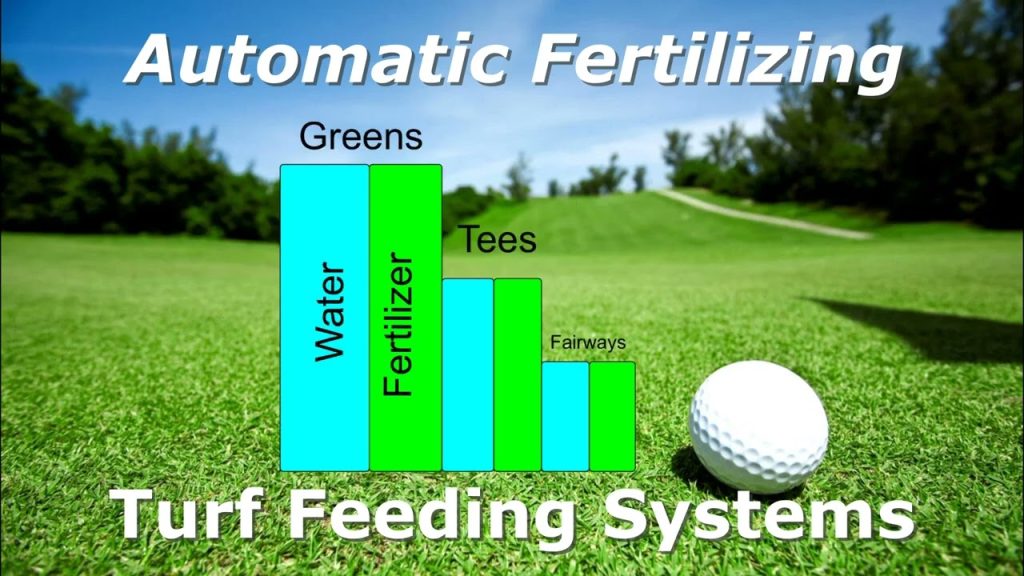
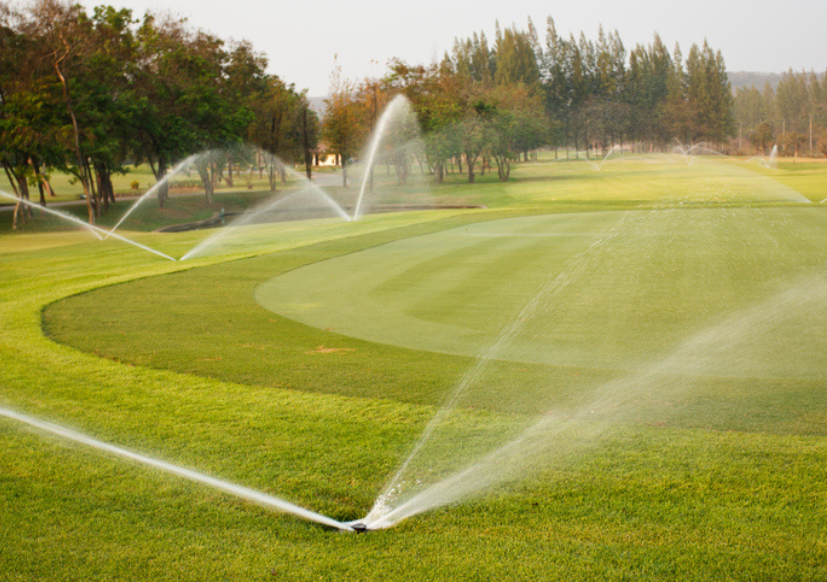
eco-friendly fertigation system (auto fertilizer injection device):
✅ What “turf-feeding / fertigation + pH-control injection systems” are
- A “fertigation system” refers to a setup that injects liquid fertilizer (and sometimes soil amendments, wetting agents, biostimulants, even microbial / organic inputs) directly into the irrigation water, so that whenever you irrigate, turf automatically receives nutrients. turffeeding.com+2USGA+2
- Some of the modern/fancier systems also include sensors for water-quality parameters (such as EC — electrical conductivity — and pH), and can adjust the injected volume or composition accordingly. This helps keep nutrient delivery consistent and can help mitigate issues caused by high pH or poor water/soil chemistry. dfsgg520.en.made-in-china.com+2turffeeding.com+2
- Because delivery is more continuous and uniform than periodic spread or spray, fertilization (and other treatments) become more efficient — often requiring less fertilizer in total, less labor, and less risk of runoff or nutrient leaching. This is a big advantage for “eco-friendly turf management.” USGA+2SportsField Management+2
Systems marketed under names like Turf Feeding Systems (and similar fertigation/pH-control vendors) provide machines and setup options tailored for golf courses, sports fields, landscapes — and are intentionally promoted as sustainable alternatives to heavy chemical/fertilizer use. turffeeding.com+2한국골프장경영협회+2
🎯 What the benefits are (esp. for golf greens, fairways, sports turf)
- Consistent, uniform nutrient delivery: Nutrients (macro + micro), wetting agents, soil amendments can be delivered with each irrigation — so turf gets gentle, steady feeding rather than sporadic “bursts.” This often yields steadier growth, more uniform turf colour and density. USGA+1
- Reduced chemical and fertilizer runoff / leaching: Because the system delivers only what’s needed — often in smaller, frequent doses — there’s less chance of over-application; environmental impact (on groundwater, runoff, water bodies) is reduced. Google Patents+1
- Labor & cost efficiency over time: Once installed, fertilizing becomes largely automated — no need for frequent manual spread or spray. This saves manpower and can reduce ongoing maintenance costs. turffeeding.com+2Agri-Inject+2
- Flexibility & precision: Because many systems allow adjustable dosing based on water flow, soil/water chemistry, and turf needs — you can tailor fertilization (or acid/soil-conditioning, pH correction, micronutrient delivery) zone by zone (greens / tees / fairways) depending on turf type, usage intensity, and environmental conditions. Google Patents+2turffeeding.com+2
For golf courses especially — where putting-green conditions, fairway health, drainage, root-zone structure, turf density, and colour consistency matter — such systems make a lot of sense if you want to reduce chemical load and improve sustainability.
⚠️ What they are not — and what to watch out for
- Not a substitute for heavy mechanical maintenance: Fertigation or nutrient injection cannot dethatch, aerate, or scarify soil. If the turf or root-zone is compacted, water-logged, has heavy thatch or poor drainage — you still need mechanical work (verticutting, aeration, core removal, sand-topdressing, drainage improvement etc.) before fertilizing.
- Requires proper water/irrigation infrastructure: To work well, the irrigation system must deliver uniform coverage and stable flow. If sprinklers or irrigation lines are inconsistent — fertigation may result in uneven nutrient distribution. Par Driven+1
- Need for soluble / liquid fertilizers (or compatible amendments): Solids or poorly soluble materials can clog injectors, pipes, or cause uneven distribution. Liquid or well-soluble fertilizer/fertilizer formulations (or soil amendments) are recommended. Par Driven+1
- Monitoring & maintenance required: If using pH or EC sensors, regular calibration and monitoring are necessary. Water-chemistry (pH, hardness, bicarbonate, salts), soil type, rainfall, irrigation rates all influence how the nutrients behave — you still need good turf-management practices, and shouldn’t rely solely on injection.
🌱 Eco-friendly aspects & sustainability relevance
Because such systems deliver fertilizer (and potentially wetting agents / soil conditioners / biological inputs) in a controlled, minimal-waste way — they are often considered a “best practice” for sustainable turf management. Indeed, in contexts like golf courses trying to reduce chemical input or nutrient runoff, combine with microbial or organic-based fertilizers/soil amendments rather than synthetic heavy-doses. 해피캠퍼스+1
Also, some systems claim to support pH correction or water-conditioning automatically (when irrigation water or soil has high pH / alkalinity, for example) — helping turf respond better and reducing stress or nutrient lock-up in problematic soils/water. 한국골프장경영협회+2Google Patents+2
🖼️ Example Image: What It Looks Like
Above (at the top) you see some example pictures of such injection/fertigation systems in operation — sprinklers, injection apparatus, piping, etc. Depending on scale (small landscape vs large golf course), the hardware and setup might vary — but the core idea is the same: integrate fertilization and conditioning into the irrigation.
Green management apparatus
eco-friendly soil air system:
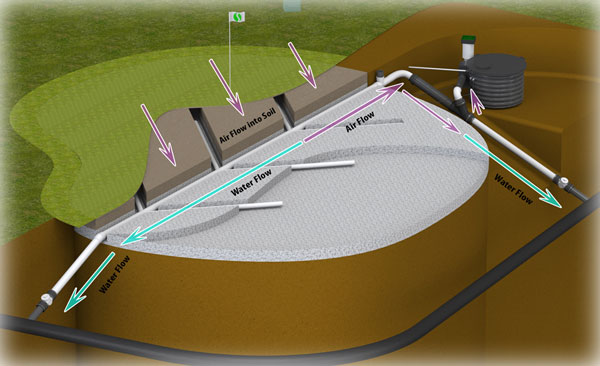
🌱 What is a “soil-air / eco-friendly soil air system” for turf
- Air2G2 — One of the leading examples. Instead of punching out cores or tines in the turf (which disturbs the surface), Air2G2 uses compressed air injected beneath the surface to fracture compacted soil layers, improving soil porosity, oxygenation, drainage, and root-zone health — without visibly disrupting the turf surface. Air2G2+2Campey Turf Care Systems+2
- The idea is rooted in the general concept of Soil aeration — improving exchange of gases (oxygen/CO₂) in the soil, improving water infiltration, and facilitating deeper root growth. Wikipedia+2Golf de la Sainte Baume+2
- Compared with older mechanical aeration (core removal, spike/slit tines, etc.), these newer systems can be more “eco-conscious” for several reasons: less surface disruption (so turf recovers fast), potentially less compaction post-treatment, and better long-term soil structure and water handling — which may reduce need for heavy chemical inputs or frequent disruptive aeration cycles.
✅ What benefits such systems bring (for turf + environment)
When used properly on golf greens, fairways, sports fields or lawns, soil-air systems or compressed-air injectors deliver several advantages:
- Deep de-compaction & better root-zone structure — By fracturing compacted layers down to 15–30 cm (or more, depending on machine), turf roots can penetrate deeper, improving drought tolerance, resilience to heavy usage, and overall turf vigor. (As described for Air2G2) Air2Turf+1
- Improved drainage and water infiltration — Looser soil improves percolation, reducing standing water or runoff, which helps during heavy rains and reduces disease risk. Air2G2+1
- Enhanced aeration (oxygen exchange) — Better airflow in the root zone improves root respiration and microbial activity, which supports healthier turf and soil ecology. Golf Course Industry+2caddiehq.com+2
- Minimal surface disruption — faster recovery / playable turf soon after treatment — Because the turf surface isn’t torn up (vs core-aeration), courses or lawns can often be used again almost immediately. Golf Course Industry+1
- Potential reduction of chemical use / better resource efficiency — Healthier roots + better water/nutrient infiltration may reduce dependence on heavy fertilization or chemical treatments, aligning with sustainable turf-management goals. This tends to fit in with broader “green management” practices. k-golf.co.kr+2Geo Foundation+2
🛠️ Concrete Systems: What’s Used Today
- Air2G2 — As above, a self-propelled air-injection machine. It uses multiple probes to inject compressed air 6–12″ (~15–30 cm) deep, fracturing compacted soil layers over a considerable radius around each injection point. Campey Turf Care Systems+2Campey Turf Care Systems+2
- SubAir (or sub-surface aeration + drainage systems) — A more integrated system often embedded under greens/fairways for ongoing climate- and moisture-control: capable of sucking excess water out (in wet conditions) or pushing air through soil (in dry or stressed conditions) to maintain ideal root-zone conditions. Golf Monthly+1
- Traditional aeration + topdressing + eco-conscious fertilization / fertigation / pH-adjustment combos — While not as high-tech as Air2G2 or SubAir, combining periodic aeration with careful soil amendments, organic matter, and controlled watering/feeding remains a core sustainable practice. k-golf.co.kr+2Reesink Turfcare+2
⚠️ What to Watch Out For / When It’s NOT Enough
- Even “non-disruptive” systems like Air2G2 don’t solve all soil or turf issues (e.g. severe compaction from deep base issues, poor drainage layer construction, pushing hardpan layers too deep, lack of organic matter) — sometimes full renovation or deeper mechanical intervention is needed.
- The effectiveness depends on soil type, existing root-zone composition, drainage infrastructure, and irrigation/water-management. A free-draining sand-based root zone behaves differently than heavy clay / silt soil. ATHENRY GOLF CLUB+2Wikipedia+2
- Cost and availability: advanced systems (Air2G2, SubAir) are specialized equipment — not cheap, and might not be economical for small lawns or gardens; they’re typically used on golf courses, sports fields, large estates, etc. Campey Turf Care Systems+1
- Maintenance & monitoring still matter: soil aeration & air injection helps, but turf also needs balanced fertilization, proper irrigation, drainage, top-dressing (if sand-based), mowing practices, etc — you can’t rely on air injection alone.
green-fan
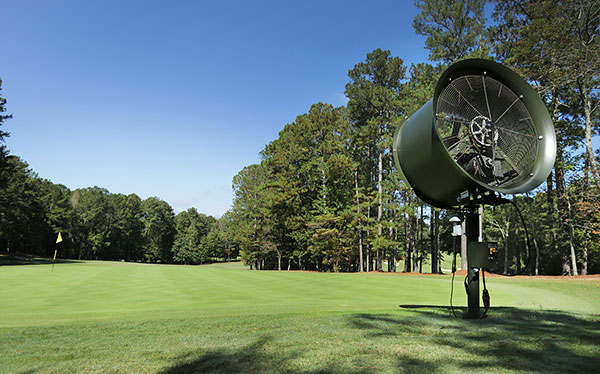
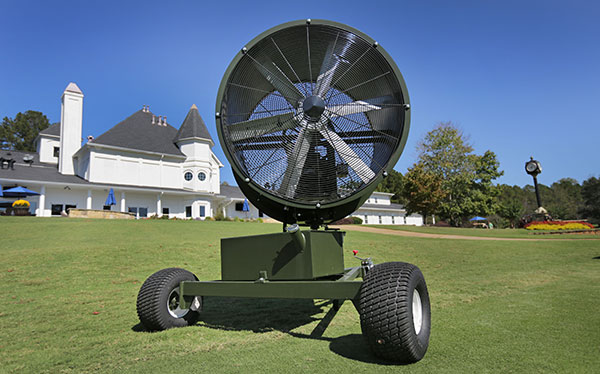
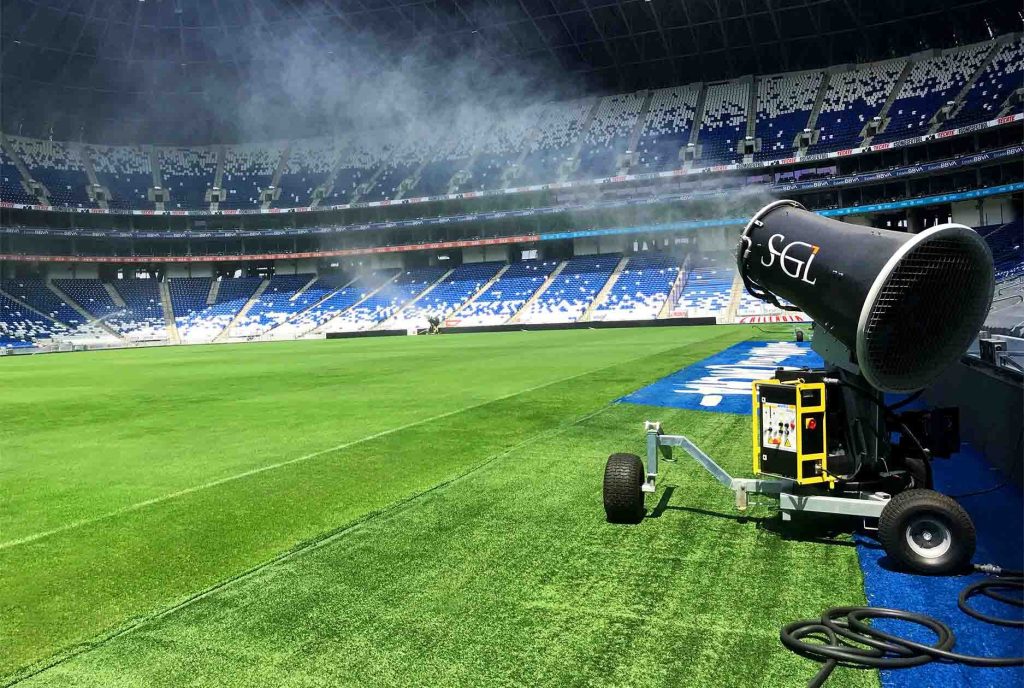
a real part of modern turf/green management. Here’s how they work, what they do, and why many courses use them.
🌬️ What are “green fans”
- “Green fans” refers to large, often portable or semi-portable fans that are placed near or around putting greens (or other turf surfaces) to promote air movement over the grass. GILBA SOLUTIONS+2SubAir Systems+2
- These fans are designed specifically for turf — meaning their airflow, housing, mounting, and durability are tailored for outdoor, long-duration use under varying weather. SubAir Systems+2Machine Design+2
✅ Why courses use them — What green fans help with
Using turf fans offers several benefits to maintain healthy turfgrass, especially in sensitive greens (often with grasses like creeping bentgrass in golf courses):
- Air circulation & cooling — On hot or humid days, fans help lower the surface temperature of the turf by moving air across the surface. This reduces heat stress on the grass, which can otherwise lead to root shrinkage and deterioration of putting-surface quality. SubAir Systems+2centaur-asiapacific.com+2
- Moisture control / faster surface drying — By increasing airflow, fans accelerate evaporation from the turf surface (and from dew or after irrigation). This helps keep the surface drier, which reduces disease pressure (fungal issues) and helps maintain firmness — good for playability and turf health. GILBA SOLUTIONS+2Golf Course Industry+2
- Improved root-zone health — Better air movement can help with gas exchange for turf roots, potentially reducing stress, improving oxygen availability at the soil–air interface, and supporting deeper, healthier root growth under stress conditions. GILBA SOLUTIONS+1
- Mitigating poor natural ventilation — On greens surrounded by trees, in valleys, or in climates with frequent humidity, natural wind/air movement may be insufficient. Fans compensate for that lack of airflow, especially in microclimates where stagnation can promote disease or turf decline. Golf Course Industry+2asianturfgrass.com+2
According to turf-management sources, using a fan system on putting greens can lower surface temperature by as much as ≈ 10 °F (≈ 5–6 °C), and soil temperature by a few degrees — significant when turfgrass is under heat or humidity stress. SubAir Systems+2centaur-asiapacific.com+2
💡 Practical Considerations & Use-cases
- Many courses don’t run fans constantly — some use them only on hot, humid days or when greens are under stress. Golf Course Industry+1
- For greens that are under trees or in shaded, low-airflow locations — fans are especially useful. asianturfgrass.com+1
- While fans help with surface conditions, they’re just one part of a broader maintenance program — mowing, aeration, watering, fertilization, soil management, drainage etc. still remain essential. k-golf.co.kr+1
🌱 “Green Fans” and Eco-/Sustainable Turf Management
Using fans aligns with eco-conscious turf management in a few ways:
- By reducing heat stress and improving airflow, they can reduce the need for chemical disease controls, because better airflow helps prevent fungal growth and other moisture-related turf diseases. GILBA SOLUTIONS+1
- By helping turf recover faster and stay healthier under adverse conditions, fans contribute to long-term turf resilience — which can reduce the frequency of disruptive operations (re-sodding, heavy aeration, remedial treatments).
- When combined with smart scheduling (only using fans when needed), they can be an efficient, low-resource support tool compared to heavier mechanical or chemical interventions.
core-withdrawer
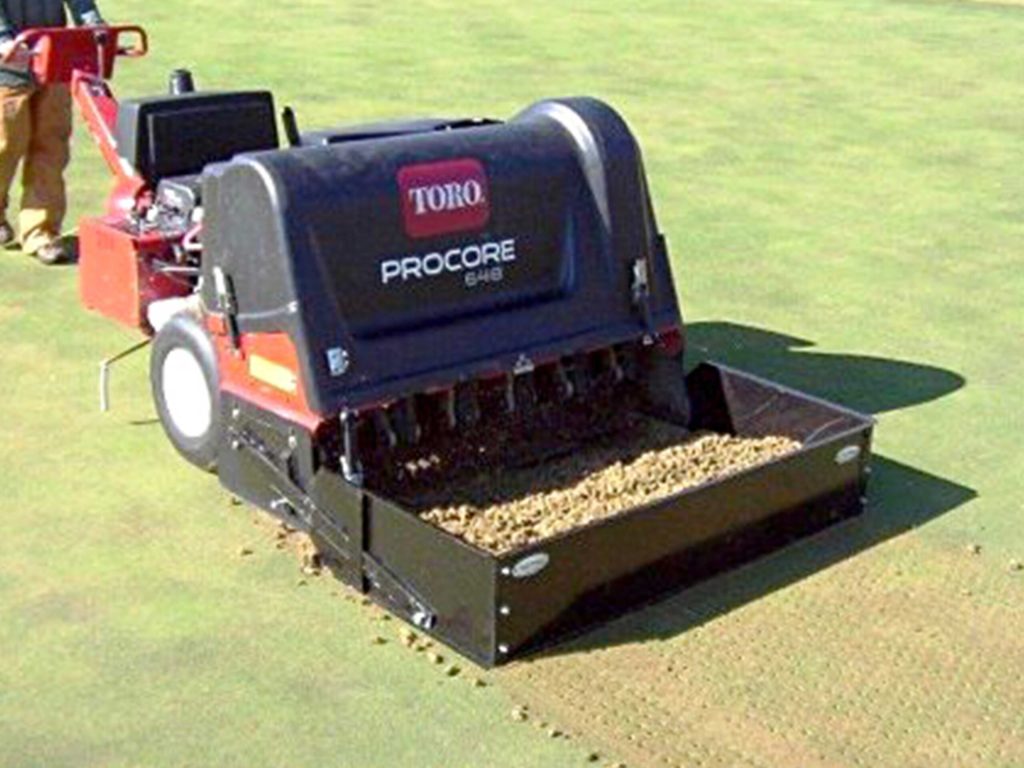
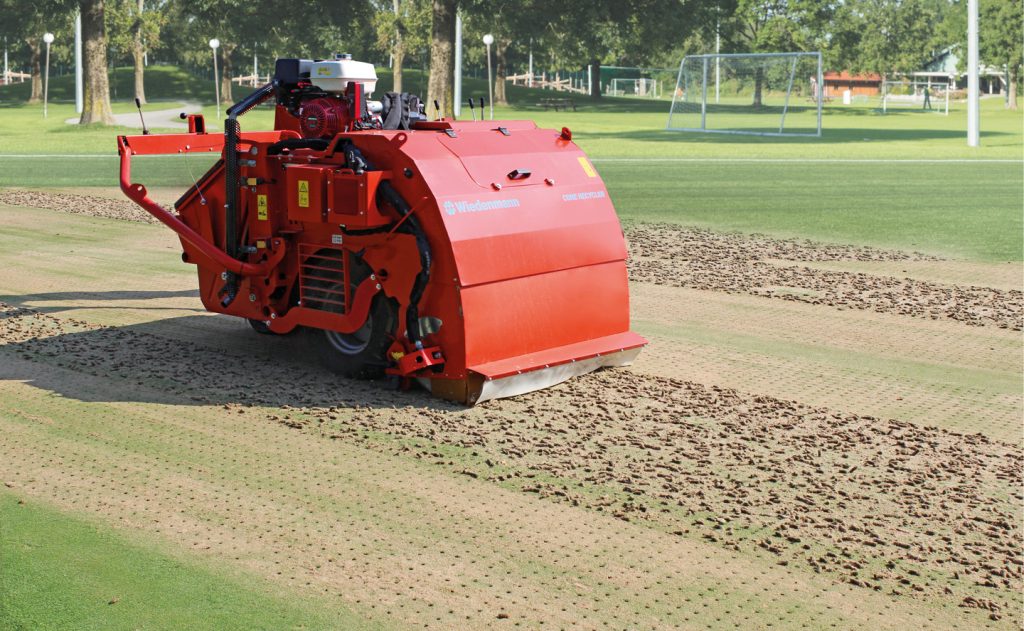

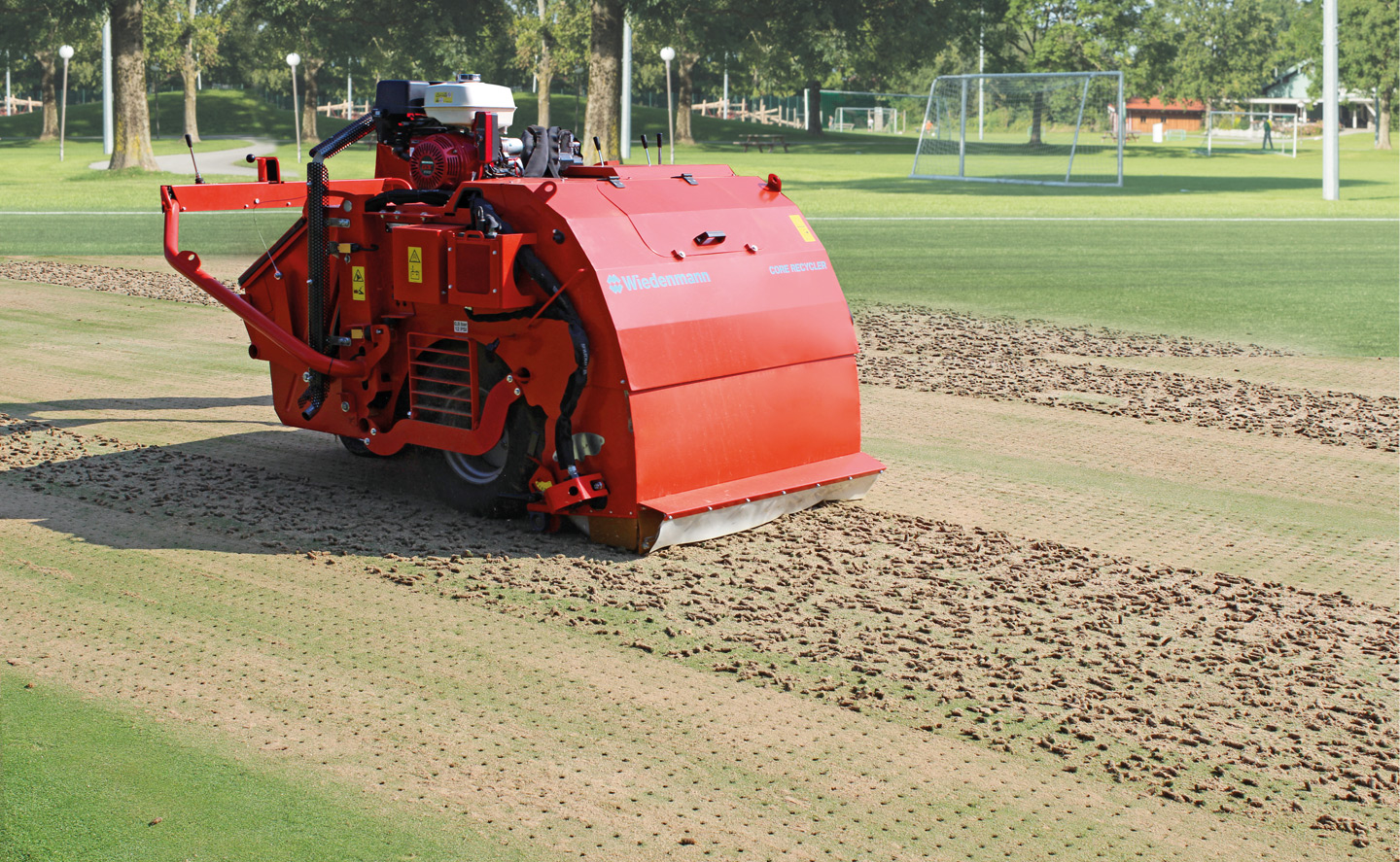
✅ What “core-withdrawer / core collector / core removal system” looks like


8
🔧 Some real-world machines / accessories
- Campey Turf Care Systems — “Core Collector”: This accessory mounts on many common hollow-tine aerators (walk-behind or tractor-drawn). As the aerator pulls plugs, the Core Collector picks up, contains, and moves the cores to the collar; when lifted for the next pass, it deposits the cores on the collar for easy collection. Campey Turf Care Systems+2Links Turf Equipment+2
- Wiedenmann — “CORE RECYCLER WB / TB”: This is a more advanced solution: after core aeration, the Recycler sweeps up the plugs, separates organic material from sand/soil via rotating drums, returns the reusable sand to the turf, and collects the organic waste. This reduces waste and helps recycle valuable soil substrate — useful especially on sand-based greens or tees. Wiedenmann+2Wiedenmann+2
- GreenTek — “Triple-Core Pusher”: Designed to speed up core-cleanup after hollow-tine aeration. It replaces mowing units on many triples (greens mowers) and pushes cores into neat piles for quick removal. This significantly reduces labor compared with manually raking or collecting cores. GreenTek
- Par Aide — “Core Hog”: A front-mounted device (for many walk-behind mowers) that pushes up soil plugs after aeration into piles for easy collection — helpful for smaller greens/tees or where a full-size core-collector is not practical. paraide.com
🌱 Why Such Systems Matter (vs. Manual Cleanup)
- Saves substantial time and labor compared with manually raking / shoveling cores after aeration — especially important on large greens, tees or fairways.
- Allows for cleaner, faster turnaround — courses/greens can often resume play or use more quickly because cleanup is efficient.
- On sand- or root-zone-based greens, recycling the sand/soil (rather than discarding cores) helps maintain soil structure and reduces need for fresh topdressing material (as with Wiedenmann’s Recycler). Wiedenmann+1
⚠️ What to Keep in Mind / When It Matters
- Not all aeration equipment automatically collects cores — many traditional hollow-tine aerators just eject plugs to the surface; without a collector you need extra cleanup.
- On heavily used greens or sand-based root zones, the benefit of a recycler (which separates sand vs organic matter) becomes more significant.
- For small lawns or home-garden setups, such equipment may be overkill (cost, size); many “core aeration + cleanup” systems are designed for golf courses / commercial turf management.
malign animal
✅ Some available animal-deterrent devices (for turf/yard/green)

Yard Sentinel RC Ultrasonic Animal Repeller
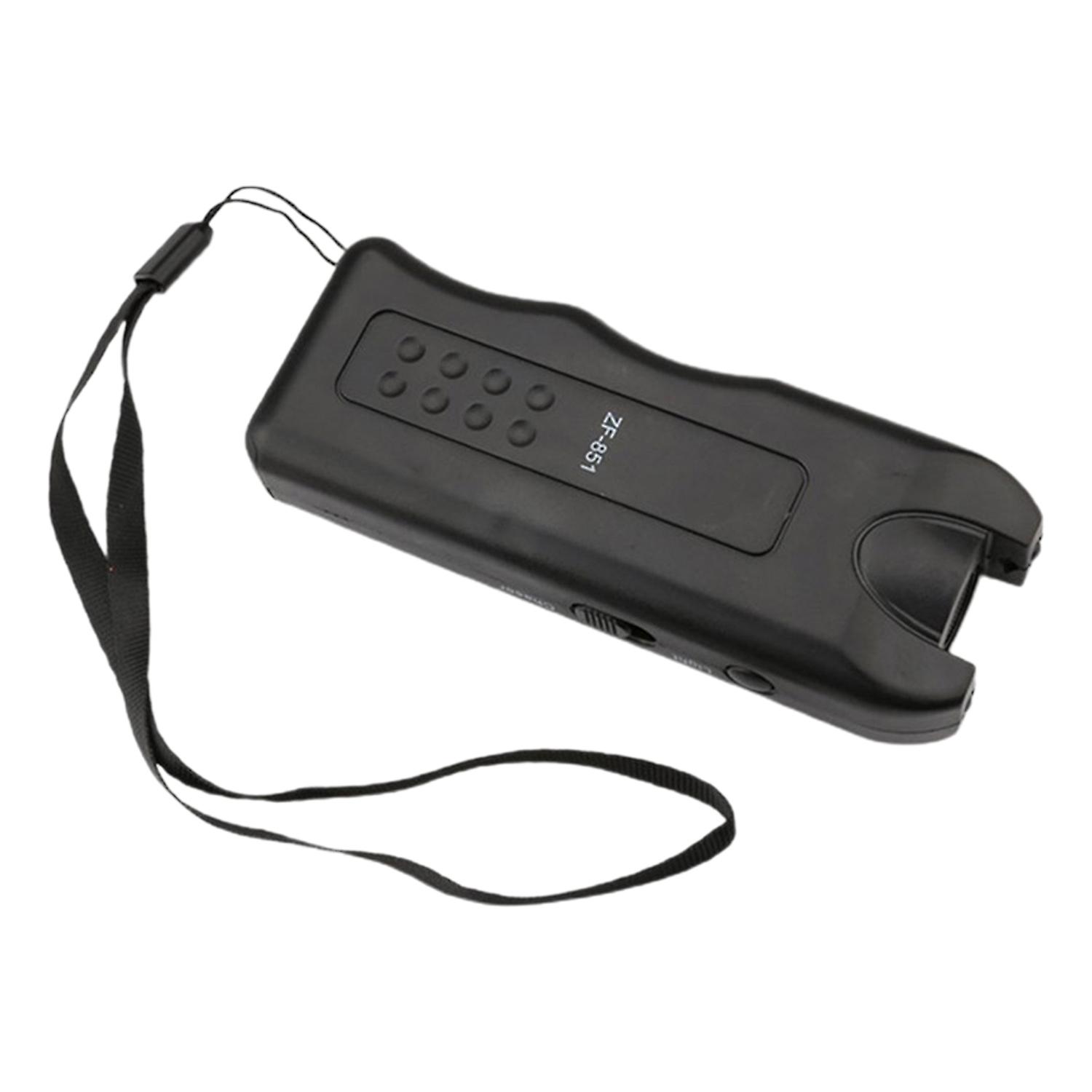
Portable Ultrasonic Dog/Cat Repeller

Solar Ultrasonic Animal Repellent – Outdoor Motion Sensor
Highlights
- Yard Sentinel RC Ultrasonic Animal Repeller — Uses ultrasonic sound waves + strobe lights + “predator-sound imitation” to deter pests and animals from lawns or gardens. The sonic + visual stimuli are designed to be unpleasant for animals but safe for humans.
- Portable Ultrasonic Dog/Cat Repeller — A simpler, portable repeller that can be placed in gardens or lawn edges to discourage cats, dogs, stray animals, or small mammals from coming near. Good for smaller or specific zones.
- Solar Ultrasonic Animal Repellent – Outdoor Motion Sensor (similar to above but solar-powered) — Operates via motion detection; when an animal (or moving object) triggers the sensor the unit emits ultrasonic pulses and possibly light or sound deterrents. Because it’s solar-powered, it can be more eco-friendly / low-maintenance outdoors.
- Battery‑Powered Ultrasonic Dog Repeller — A small, battery-driven repeller that’s useful if you don’t want to deal with wiring; fairly straightforward for garden/lawn use to discourage stray pets or small intrusion.
⚠️ What to Know Before Counting On Them
- Effectiveness varies — Ultrasonic or sound-based repellents can work on some animals (particularly rodents, small mammals, stray cats/dogs or birds), but may be less effective or ignored by others (deer, wild boars, larger wildlife), depending on their hearing and temperament. Some animals may habituate (get used to) the repellent over time.
- Coverage is limited — Most of these devices protect a local area (garden corner, lawn edge, small turf patch), not a large field/green. For full-scale turf (e.g. golf fairway or green) you might need several units, or different strategies.
- May disturb humans or pets — High-frequency sound may be inaudible to some animals but not to humans — some neighbors or passersby may hear whining/ buzzing. Also if you have pets or working animals, repellents may upset or stress them.
- Not always enough alone — For a golf-course green or large turf area, controlling animals usually needs a multi-pronged approach: physical barriers (fencing), regular monitoring, regular cleanup, possibly scare devices (decoys, noise), landscape design to reduce attractants, etc. Repeller devices can be part of that, but rarely a complete solution.
gofer X – animal eradication?
Gopher X (often written “Gopher-X” or “Gopher X Burrowing Rodent Control Device”) as a type of animal-eradication / rodent-control device. Pest Control Superstore+2Lawn & Landscape+2
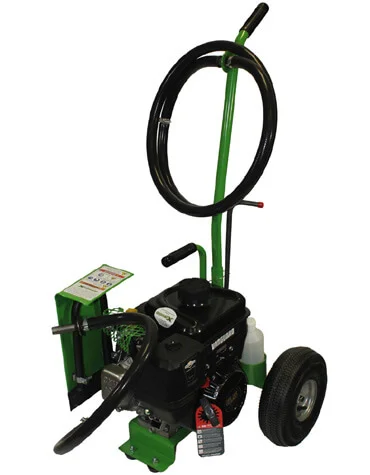

✅ What is Gopher X
- Gopher X is marketed as a device to kill burrowing rodents (e.g. gophers, ground squirrels, moles, etc.) — without traditional traps or chemical poisons. Lawn & Landscape+1
- The “commercial unit” version is a powered device: it includes a gas engine (Vanguard/Briggs & Stratton 203cc), a heated-smoke/exhaust hose, and a steel probe that is inserted into a rodent burrow. Pest Control Superstore
- The principle: the device forces heated exhaust / smoke (or a “smoke-oil blend” according to some descriptions) into the tunnel system, which asphyxiates the burrowing rodents underground. Lawn & Landscape+2Brezden Pest Control+2
- Because it’s gas-driven and not simply a passive trap, it’s considered a more powerful/industrial-grade solution — often used by landscaping professionals, pest-control companies, or for larger turf/grounds. Pest Control Superstore+1
⚠️ What it claims — and what to check / be cautious about
- According to the product description, it doesn’t rely on toxic chemicals or poisons, which may make it safer around pets or kids than certain rodenticides (though “safety” always depends on local regulations and correct usage). Lawn & Landscape+1
- However: because it uses engine exhaust / smoke (or gas), you need to ensure proper ventilation, placement, and compliance with local regulations — especially if near buildings, water systems, or when soil/groundwater contamination is a concern.
- It’s also not guaranteed 100% — as with many rodent-eradication strategies, burrowing animals may relocate or re-colonize unless burrow systems are thoroughly collapsed or the ground is treated carefully (and unless the root causes — food source, entry points — are addressed).
🎯 What it’s Best For
Gopher X tends to be best suited to:
- Golf courses, large lawns, sports fields, landscaping estates — i.e. places where you have enough area and resources, and where rodent burrows threaten turf quality / drainage / aesthetics.
- Situations where you want a non-poison / non-chemical solution but need something more powerful than simple traps or repellents.
- Cases where repeated burrow intrusion causes structural damage, turf disruption, or safety hazards (holes, uneven ground) — often requiring a robust, efficient solution.
🧑🌾 Practical / Ethical / Regulatory Considerations
- Using a device like Gopher X may have ethical or ecological implications, especially if there are non-target species (wildlife, beneficial animals, pets) in the area.
- There may be regulations or restrictions in your region regarding the use of such rodent-eradication devices. What’s allowed in one country or state may be prohibited in another.
- Regular “maintenance / monitoring + preventive turf management” remains important: even if the rodents are removed, unless you address what attracted them (food source, soil conditions, gaps/entry points), new burrowing pests may move in.
Redexim
light verticut s510
the light verticut s510?
ChatGPT said:


Good — yes, the Redexim “S510 Pedestrian Scarifier” (also sometimes referred to as a “light verticut / scarifier”) is a real turf-maintenance machine, and I can walk you through what it is — and in what situations it makes sense.
✅ What is the S510 Pedestrian Scarifier / “light verticut”
- The S510 is a walk-behind scarifier / verticutter (not a heavy tractor-drawn machine). Redexim+1
- Its working width is about 0.47 m (≈ 18.5–19.6 inches / ~500 mm). ADE Turf+1
- Maximum working (cutting) depth is about 30 mm (≈ 1.2″). ADE Turf+1
- Weight is fairly light — about 48 kg (≈ 105–106 lbs). ADE Turf+1
- It’s powered by a small petrol (gasoline) engine (in many versions a Honda engine) — which gives enough power for thatch/moss removal yet keeps the machine manageable and portable. ADE Turf+1
Because of these specs — relatively narrow cutting width, shallow depth, light weight, walk-behind format — the S510 counts as a “light verticut / scarifier” rather than heavy-duty deep-tine aeration or large fairway verticut works.
🌿 What It’s Used For — When S510 Makes Sense
The S510 is suitable for tasks like:
- Removing thatch, moss, superficial dead organic matter, old grass blades, light layering, from greens, tees, small fairways, tennis courts, bowling greens, or small turfed areas — especially where access is limited. ADE Turf+1
- Situations where you want to do regular maintenance / light renovation without the disruption of deep-core aeration or heavy structural work — because the shallow scarification helps improve surface quality, allows better water/air infiltration near the surface, and helps turf recovery/renewal. Centaur Asia Pacific+1
- Smaller properties, private estates, or any location where heavy / large equipment cannot be used — S510’s portability and lighter weight are key advantages. ADE Turf+1
In short: it’s a practical maintenance tool for relatively fine turf or small-ish turf patches, when you want to regularly manage thatch, surface build-up, moss — but you don’t need (or want) deep-aeration.
⚠️ What It Is Not — Limits & When You’d Choose Something Else
Because S510 is “light” — narrow, shallow, pedestrian — it has limitations:
- It does not provide deep aeration or soil decompaction like a deep-tine aerator (e.g. heavy-duty machines that penetrate deeper into the root zone). So if your turf suffers from compaction, very poor drainage, deep thatch, or root-zone problems — S510 alone won’t be sufficient.
- It’s not ideal for large fairways, sports fields, or heavily used turf where you need wide coverage or deeper/stronger mechanical renovation — because narrow width and limited depth make it inefficient for large-scale structural work.
- As with any scarifier, timing and follow-up care (watering, topdressing, seeding, fertilizing) matters — overuse or poor timing can stress turf. S510 is best used as part of a broader turf-management plan (not as a one-off “fix it all”).
🎯 When and Why Clubs / Grounds Use S510 (or Equivalent Light Verticutter)
- For regular maintenance on greens/tees/small turf patches to keep thatch and moss under control (improves overall turf health, air & light penetration, surface evenness).
- For small courses, private estates, or facilities without resources for heavy equipment — where a walk-behind scarifier is more feasible than large-scale gear.
- As part of “light maintenance cycles” between heavier interventions (aeration, topdressing, renovation), to maintain turf quality without big disruption.
toeing type verti sprayer / tow-behind turf sprayer
a “tow-behind turf sprayer” (or “trailed sprayer / tow-sprayer for turf / golf course”). These are used to spray turf surfaces (greens, fairways, roughs, lawns) with water, fertilizers, wetting agents, fungicides/herbicides, soil conditioners, etc., and can be towed behind a small tractor or utility vehicle instead of being a walk-behind sprayer. Links Turf Equipment+2Team Sprayers Ltd+2


✅ What a “tow-behind turf sprayer” is / does
- For example, the Verti‑Spray (from a turf-equipment supplier) is described as a “trailed” sprayer: a machine with a liquid tank (≈ 300 L) that you hitch to a towing vehicle to spray turf. Links Turf Equipment
- Another example: Smithco’s Spray Star 300T — marketed as a “tow-behind sprayer” (or “golf-course sprayer”) designed for greens, fairways, roughs, etc., aiming for even coverage of fertilizers, herbicides, or growth regulators. smithco.com+1
- Tow-behind sprayers generally make the application of liquid treatments across large turf areas much more efficient than handheld sprayers — saving labor, ensuring more uniform application, and allowing coverage of wide fairways/roughs in one pass. Links Turf Equipment+1
👍 When It Makes Sense — vs. Other Sprayers / Methods
Tow-behind sprayers are particularly useful when:
- You manage medium to large turf areas — fairways, roughs, large lawns, sports fields — where manually spraying would be too labor-intensive or slow.
- You want uniform coverage (fertilizer, wetting agents, seed treatment, herbicide, fungicide, etc.) over large areas in a consistent and repeatable way.
- You already have some towing vehicle (tractor, utility-vehicle, ATV) — because these sprayers rely on being towed (rather than being self-propelled or walk-behind).
- You need economy and efficiency — for example, in routine turf maintenance on golf courses: fertilizing, wetting-agent application, or preventive fungicide/weed control.
⚠️ What It Is Not — and What to Check / Beware
- It’s not a verticutting or aeration machine: “verti-sprayer” is about spraying liquids, not cutting or aerating turf. So if your goal is dethatching, soil aeration, or improving root-zone health via mechanical means — you’ll still need scarifiers, aerators, or other mechanical tools.
- Because it’s tow-behind, you need a suitable towing vehicle (tractor, utility cart, ATV) rather than expecting it to self-propel or be walk-behind (unless you get a self-propelled sprayer).
- Spraying (chemical or fertilizer) always requires correct mixture, dosage, timing — misuse can lead to over-fertilization, chemical burn, runoff, turf damage, or environmental issues.
- For small lawns or small turf patches, a tow-behind sprayer might be overkill; handheld or small walk-behind sprayers might be more practical.
toe-behind speed brush
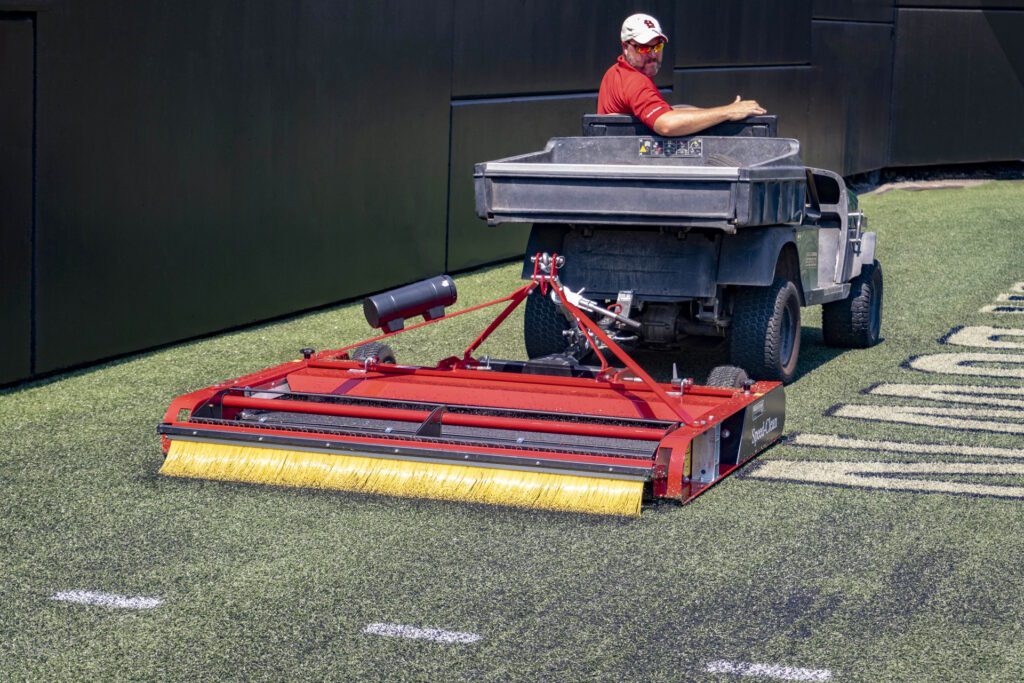
“tow-behind / pull-behind turf brushes / speed-brush-type” apparatus used for turf / golf-course / lawn maintenance
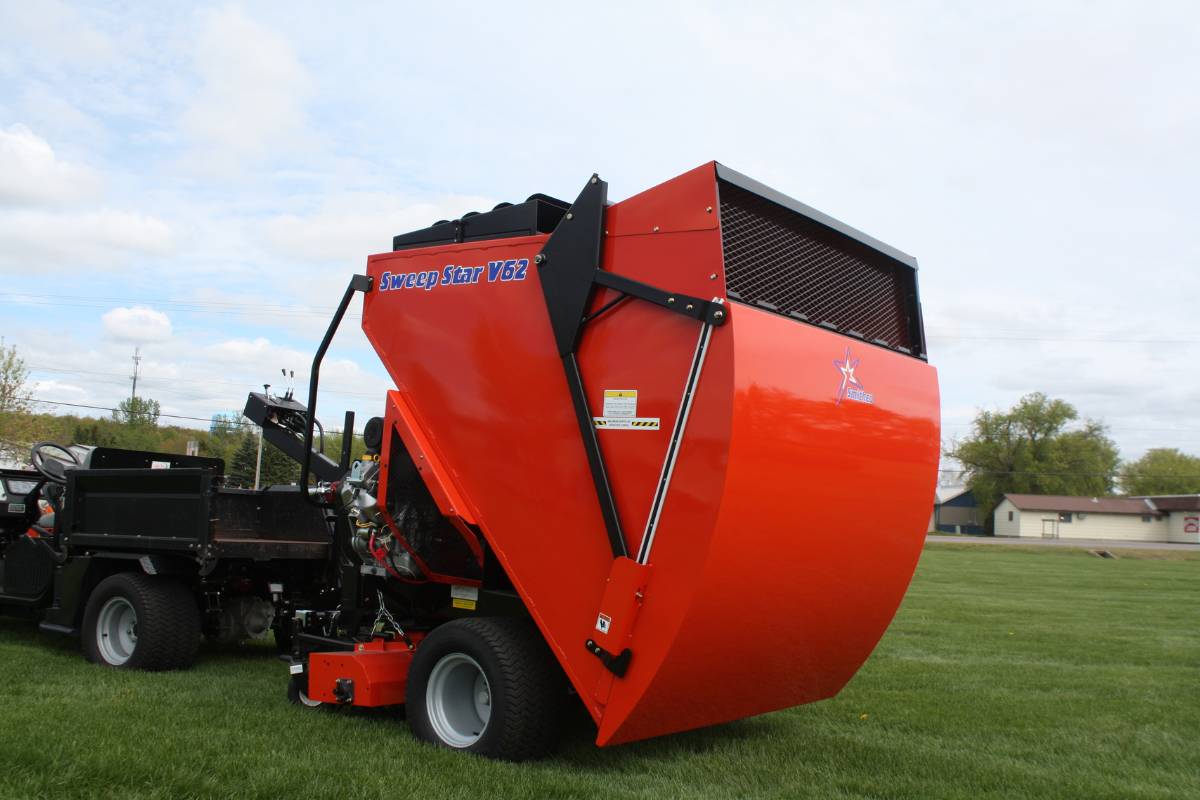

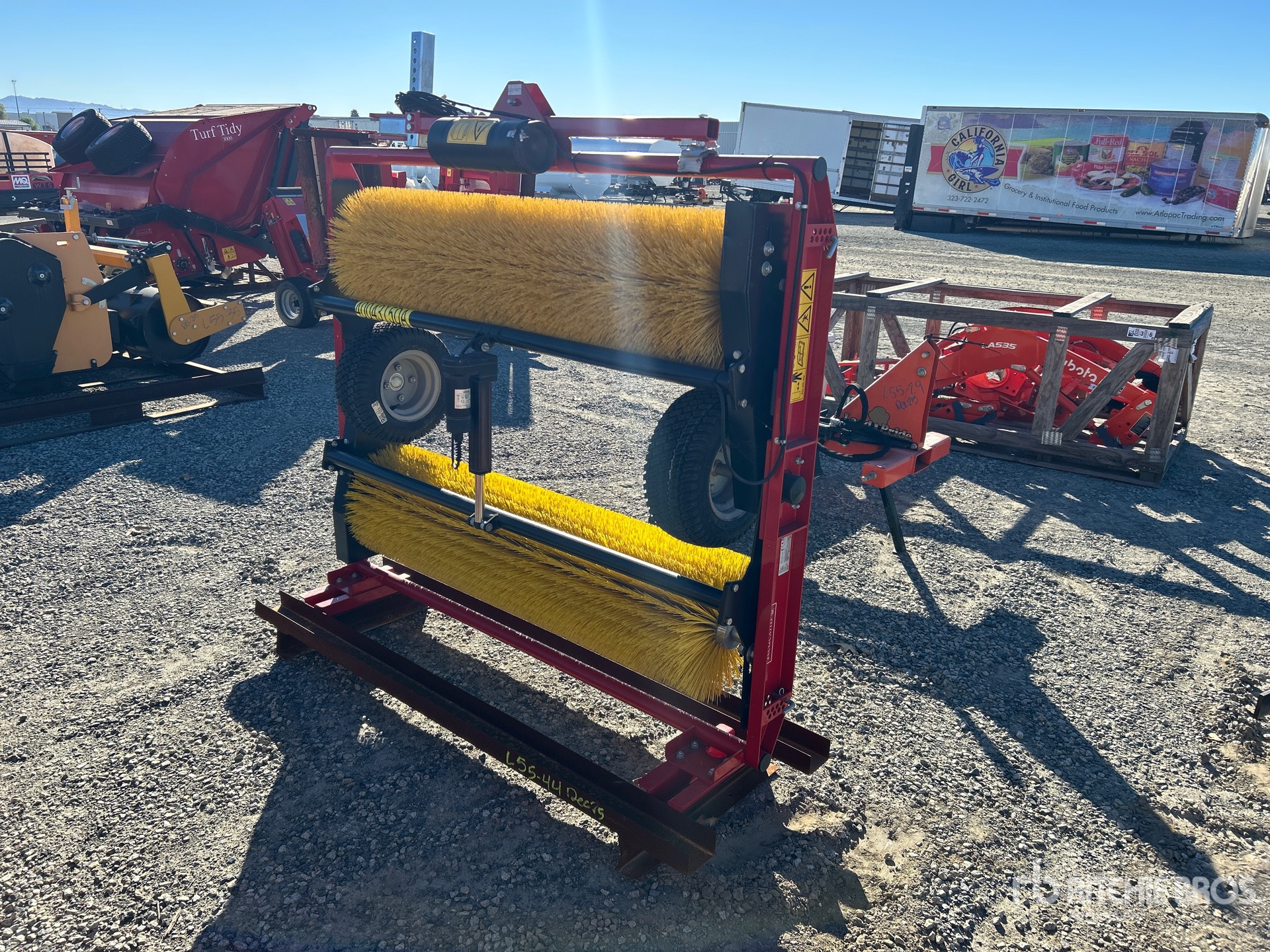
Here are some pictures of “tow-behind / pull-behind turf brushes / speed-brush-type” apparatus used for turf / golf-course / lawn maintenance.
turf stripper
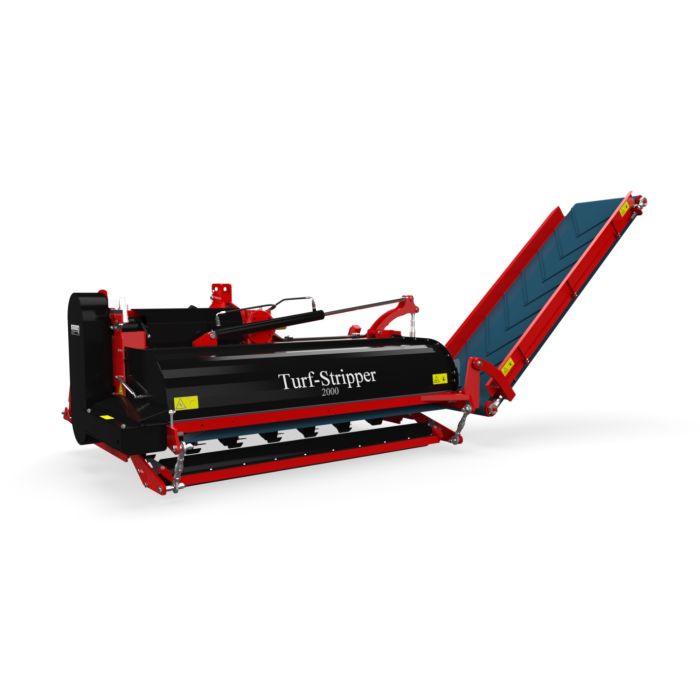
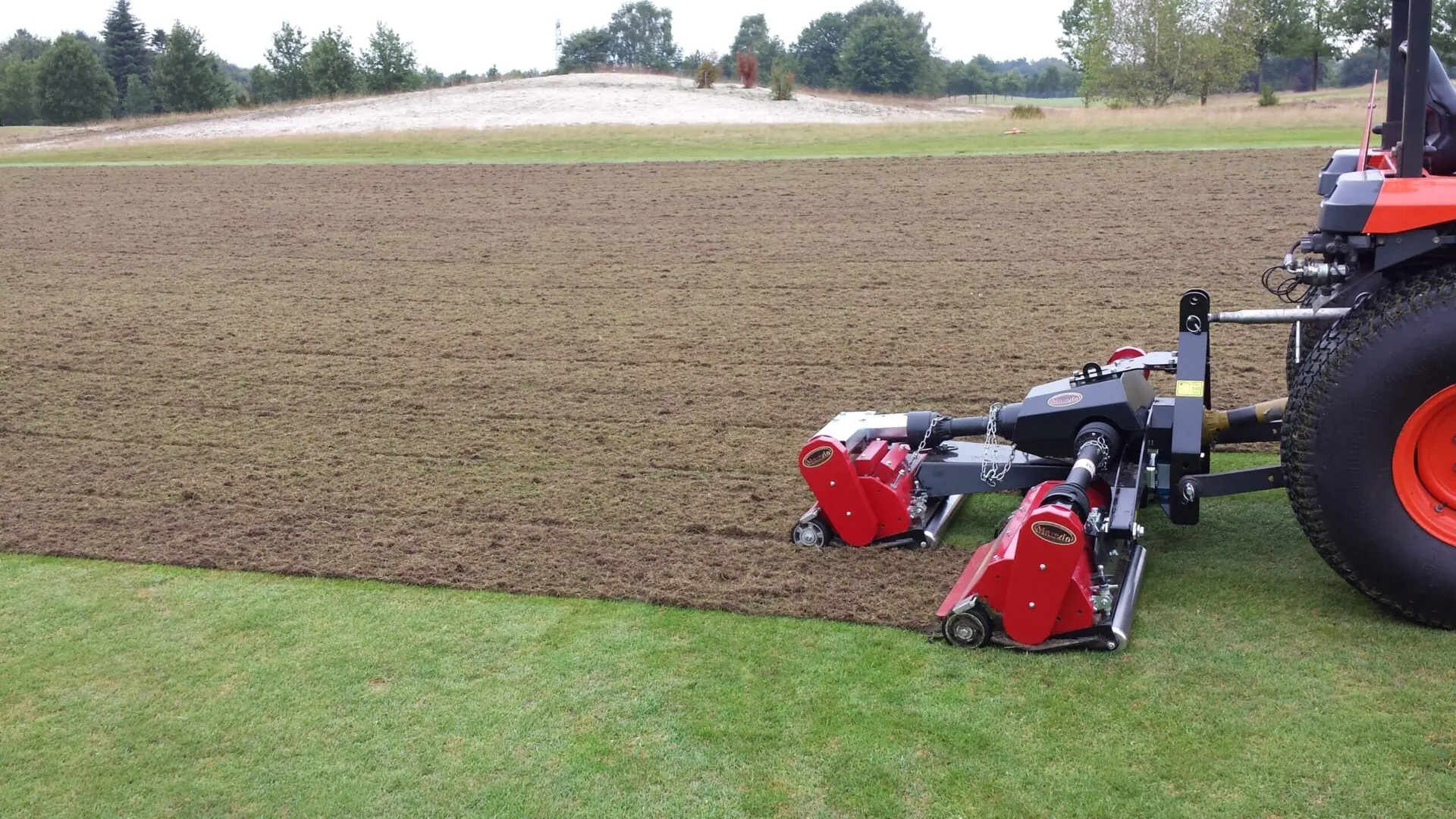

Good question — yes, “turf stripper” is a real thing. It refers to a class of turf-maintenance machines (sometimes also called “fraise-mowers,” “fraze-mowers,” or “turf-stripping machines”) used to remove existing turf (grass, thatch, weeds) down to the root level — usually as part of major renovation, re-sodding, overseeding or conversion work. Redexim+2Maredo B.V.+2
✅ What is a “turf stripper”
- The basic idea: a turf stripper uses a high-speed rotary cutting drum / blades (often carbide-tipped) that “shaves off” the top layer of turf — grass, roots and organic matter — and removes it completely. Maredo B.V.+2Links Turf Equipment+2
- Many models use a conveyor / side-arm conveyor to collect and eject the cut turf material — often into a trailer behind the machine — so the surface is cleared clean and ready for the next step (e.g. reseeding, new sod, drainage work, soil renovation). Redexim+2Golf Course Industry+2
- Because of how aggressively they cut, turf strippers are typically used for renovation or conversion rather than regular maintenance. They’re overkill if you just want to dethatch or lightly aerate; instead they’re for resetting the turf surface. Maredo B.V.+1
🛠️ Common Use-Cases for Turf Stripping
You might use a turf stripper when:
- You’re re-sodding or re-seeding a field, fairway, or turf area (clearing old turf to prepare a fresh seed bed).
- You need a clean slate — for example, if the turf has persistent disease, weeds, poor root structure, compaction or heavy thatch that simple aeration or verticutting can’t fix.
- You’re renovating a sports field, golf course fairway, or large lawn — especially when downsizing or switching grass species, or reworking soil/sub-base.
- You want to remove hybrid turf or contaminated turf (e.g. weeds, old poor turf, mixed species) before installing new turf or artificial turf — some turf-strippers even have special rotary heads for hybrid or synthetic-turf surfaces. sportsturfsolutions.com+2Links Turf Equipment+2
⚠️ What It Is Not & What to Consider / Be Careful About
- This is not gentle maintenance. Turf stripping basically removes the existing turf — so the area is essentially “bare earth” (or near to it) afterward. That means reseeding or resodding and follow-up care (watering, soil prep, perhaps top-dressing) is required.
- It demands significant equipment and power — usually a tractor or heavy towing vehicle with appropriate hydraulic / PTO capacity. For instance, models like Redexim’s “Turf-Stripper 2000” require a tractor / hitch system. Redexim+1
- Not suitable for small lawns or fine-scale turf areas — because it’s overkill and often impractical for small jobs.
- Because the turf is removed completely, there’s a period of downtime for the turf surface (while reseeding / recovery / establishment happens) — so usage must be carefully planned (off-season, slow-use periods, etc.).
📈 Examples — Some Popular Turf Stripper Models / Variants
- Redexim Turf‑Stripper 2000 — a wide-area fraise-mower / turf-stripping machine, with ~2.00 m working width, up to 50 mm cutting depth, designed for fairways, sports fields, golf course renovations. Redexim+2nuturf.com.au+2
- Redexim Turf‑Stripper 1200 — narrower (≈ 1.2 m width), suited for smaller areas or more controlled turf-removal / renovation operations. Redexim+1
- Maredo MT170 Flex‑FraiseMower — another version of a turf-stripping / fraise-mowing unit, capable of removing top turf layer cleanly, used for sports pitches, fairways, etc.

Cool — here are some photos of “turf-stripper” (a.k.a. fraise-mower / turf-removal) machines in action — removing turf or doing major turf renovation on fairways / sports fields / large lawns.
speed W.B (self-propelled seeder)


Good question — yes, the “Redexim Speed-Seed WB” is a known self-propelled seeder / overseeder for turf, sometimes described as a “self-propelled seeder.” Redexim+1
✅ What is Speed-Seed WB
- The Speed-Seed WB is a self-propelled dimple/spiked-roller overseeder — meaning rather than being pulled by a tractor, it has its own engine (6.5 hp) and mechanical drive. Redexim+1
- Working width is about 0.60 m (≈ 23.6 inches). Redexim+1
- It creates many small holes in the turf via a spiked roller, then drops seed, and a rear brush sweeps the seed into the holes — delivering seed in contact with soil for germination. Centaur Asia Pacific+1
- Seeding depth (hole depth) is adjustable roughly 5–20 mm (≈ 0.2–0.8 inches) — suitable for overseeding fine turf / greens / tees / small turf patches. ww.centaur-asiapacific.com+1
- Seed hopper capacity is around 75 L. ww.centaur-asiapacific.com+1
- Forward working speed is modest (up to ~5 km/h) — appropriate for precise overseeding rather than large-scale sowing. lindholmmaskiner.dk+1
🎯 What It’s Good For — Typical Use Cases
Speed-Seed WB is well-suited for:
- Overseeding or interseeding greens, tees, small fairways, lawn areas, sports turf or fine turf patches — places where precise seed placement is important and heavy equipment is undesirable.
- Situations where you want minimal turf disturbance: the small holes from spiked roller are less disruptive than deep-tine aeration or full-strip seeding; turf recovers faster.
- Grounds or courses without large tractors or heavy equipment — since Speed-Seed is self-propelled and relatively compact, easier to transport and use in limited-access areas.
- Maintenance / renovation cycles where combining overseeding with surface grooming is helpful — resurfacing, overseeding, patch repair, overseeding thin turf, improving turf density.
⚠️ What It Is Not — Its Limitations
- Because width is only ~0.6 m and speed is slow, it’s not efficient for large fairways or very large turf expanses — for them you’d use a larger tractor-pulled seeder or slit seeder.
- The shallow hole depth (5–20 mm) means it’s not suitable if you need deeper soil penetration or major soil-root zone renovation.
- Overseeding alone doesn’t fix underlying issues: if turf has compaction, thatch, drainage problems etc — you still may need aeration, dethatching, soil renovation first.
- For heavy usage or large-scale turf management (sports fields, big fairways), you might need larger/more industrial equipment in addition to an overseeder like this.
🧑🌾 In Summary
The Speed-Seed WB is a compact, self-propelled overseeder — ideal for small to medium turf patches, greens/tees, lawn renovations or overseeding thin turf — especially when you don’t have big tractors or need something maneuverable. It complements aeration or maintenance cycles rather than replacing heavier renovation gear.
speed seed 1200 (Attached seeder)
the Redexim Multi‑Seeder 1200 (often simply called “Multi-Seeder 1200”).
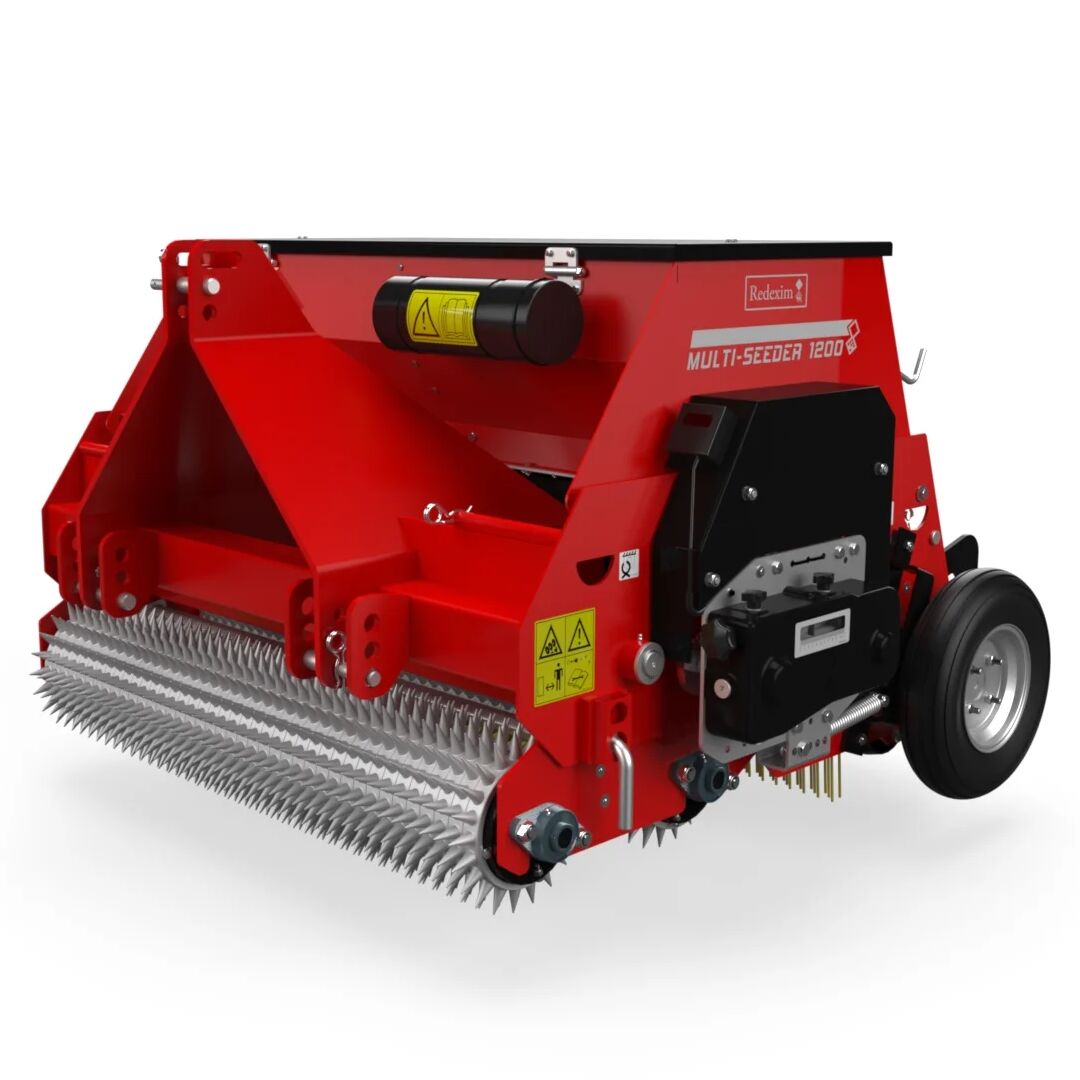


Here’s a breakdown of what it is, and what to know about it:
✅ What is Multi-Seeder 1200 (attached seeder)
- Multi-Seeder 1200 is a tractor-pulled dimple/spiked-roller seeder / overseeder — meaning unlike walk-behind seeders, it mounts on/ hooks to a tractor (usually via three-point hitch). Redexim+2ADE Turf+2
- Working width is 1.2 m (≈ 47.2 in). turfparts.ie+1
- Depth (i.e. how deep the spikes/rollers penetrate for seed pockets) is 5–20 mm (≈ 0.2–0.8 in). turfparts.ie+1
- It uses floating twin-spike rollers that follow ground contours — that helps maintain consistent seeding across uneven terrain. Redexim+2ADE Turf+2
- Seed distribution: seeds are dropped into the surface, then an adjustable drag brush sweeps seeds into the holes, and a rear roller then firms the seedbed (covers seed for soil contact + germination). Redexim+2nuturf.com.au+2
🎯 What It’s Used For / Advantages
Multi-Seeder 1200 is especially suited for:
- Overseeding or reseeding fairways, tees, sports fields, golf-course surrounds, medium-size lawns or amenity turf when precision and uniformity matter. nuturf.com.au+2ADE Turf+2
- Areas where you want efficient seeding over moderate area — more efficient than hand-seeding, but smaller / more maneuverable than large-width seeders. The 1.2 m width is a balance between coverage and flexibility/compactness. ADE Turf+2Redexim+2
- Conditions where you need a tractor-mounted solution (rather than self-propelled or walk-behind), e.g. when you already have a tractor for aeration, mowing etc. ADE Turf+1
⚠️ What It’s Not / What to Consider
- Because the working width is moderate (1.2 m), for very large fields / huge fairways it might be slower compared with wide-area seeders — for very large jobs you might prefer a wider seeder. Redexim+2ADE Turf+2
- The penetration depth is shallow (5–20 mm), so it’s more for overseeding or surface-level reseeding, not heavy renovation (e.g. replacing deep root-zone, soil replacement, or major turf-strip).
- Requires a tractor with sufficient lift capacity (because the unit is fairly heavy: around 619 kg / 1365 lb for 1200 model). ADE Turf+2ittec.cz+2
📈 Summary — When Multi-Seeder 1200 Makes Sense
Multi-Seeder 1200 is a good “middle-ground” seeder: more powerful and efficient than hand-seeding or walk-behind seeders, but more manageable and compact than large-width, heavy commercial seeders. If you manage a golf course fairway, sports field, or medium-size turf area and have a compatible tractor, it’s well suited for overseeding/renovation jobs that require precision, uniform seed distribution, and consistent seed-to-soil contact.
Greenman
verti sprayer
ChatGPT said:


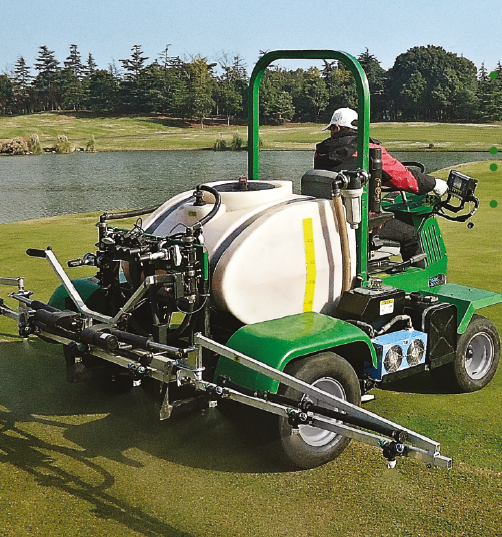
Good question. Yes — I found evidence that Greenman (or “Greenman Machinery / Greenman Golf & Turf Solutions”) makes sprayers for turf and golf-course management — what you might mean by “verti sprayer” could be part of that lineup. Here’s what I learned (and where there’s ambiguity).
✅ What Greenman does: sprayers & turf-equipment
- On Greenman’s public profile: they list their offerings for “Golf & Sports turf equipment” including things like “ride-on sprayer, powered ride-on green sprayer, push green sprayers, fertilizer sprayers, … verticutters, etc.” greenmanmanufacture.com+1
- They have a product called Greenman Spray Hawk, described as a walk-behind/folding-boom sprayer: lightweight (aluminum frame, ~13 kg), with semi-pneumatic wheels, designed for precise spray coverage — suitable for turf, greens or areas not suited for large heavy sprayers. GreenKart.pk+2nhturftech.com+2
- They also have a Greenman Spray Mate (or “pull-behind boom sprayer / sprayer unit”) — battery-powered, with a modest tank (≈10 gallons / ~38 L), intended for smaller or restricted-access areas, which suggests a lighter-duty sprayer option for turf or lawn maintenance. Greenman Golf & Turf Solutions+1
⚠️ What I couldn’t confirm — “verti sprayer” might be a misnomer
- I did not find any official Greenman product called explicitly a “verti-sprayer.” The term doesn’t appear in their product categories as publicly listed. greenmanmanufacture.com+2cccme.cn+2
- Because “verti-” is often used in turf maintenance to refer to verticutting or vertical slicing (like a scarifier), it’s possible “verti sprayer” was a mix-up between “verti-cutter / verti-cut scarifier” and “sprayer”. Indeed Greenman also lists “verticutters” among their equipment offerings. greenmanmanufacture.com+1
- In other words: Greenman seems to supply both sprayers and verticutters — but I couldn’t locate any model that combines “vertical slicing” and “spraying” into a single “verti-sprayer.”
🎯 What this means when you consider “Greenman + sprayer/verticut” for turf
- If you’re looking for a sprayer for greens / fairways / lawns (for fertilizer, herbicide/fungicide, foliar feeding, etc.), Greenman does offer lightweight walk-behind or pull-behind sprayers (Spray Hawk, Spray Mate) that are quite suitable.
- If you are interested in verticutting / scarifying (to remove thatch, improve surface, vertical slicing) — Greenman appears to have “verti-cutter” equipment (per their product categories), but I couldn’t confirm a model name in my sources.
- If you meant a combined “verticut + spray injection / spraying” machine (i.e. a hybrid) — that doesn’t appear to exist from Greenman (at least not publicly documented) — you’d likely need two separate machines: a sprayer + a verti-cutter/verticut scarifier.
sod cutter
Greenman claims to offer “sod cutters” among its turf-equipment lineup. golfcoursetrades.com+2ExportersIndia+2

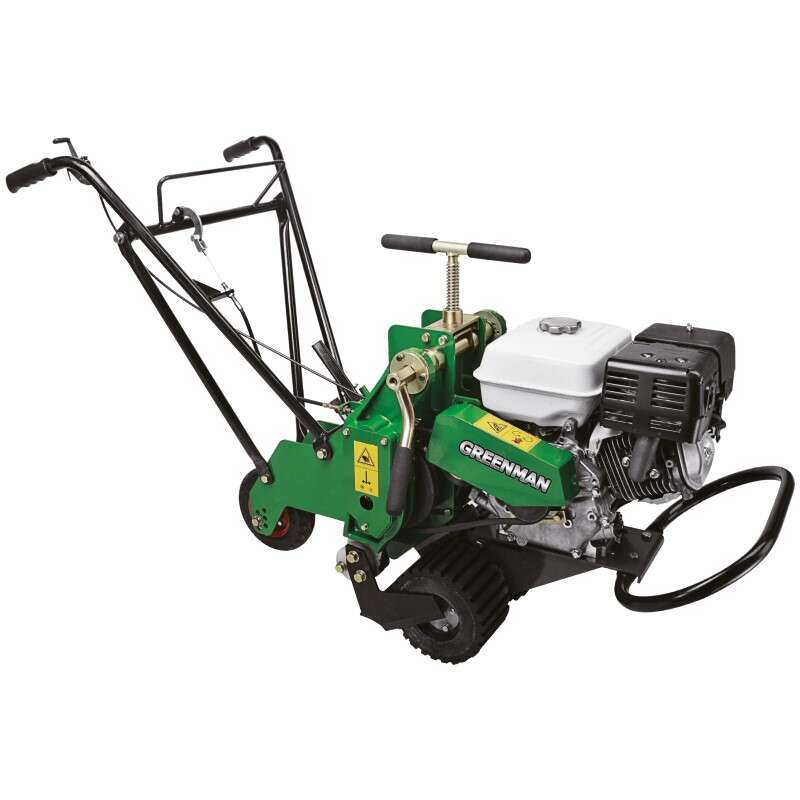

✅ Evidence Greenman offers sod cutters
- On their turf-equipment catalogue, Greenman lists a variety of turf care machines — including sprayers, verticutters, rollers and sod cutters. golfcoursetrades.com+2lawnandgardendirectory.org+2
- One of their overseas distributors/dealers (in India) advertises “Sod Cutter” among the products under Greenman’s brand umbrella. ExportersIndia
- Their broadly defined “Golf & Sports turf equipment” category includes “garden & lawn equipment, turf-care machinery” which implies coverage of basic turf renovation tools — sod cutters likely fall under this. greenmanmanufacture.com+1
⚠️ What is unclear / What to verify
- I couldn’t find a detailed spec sheet or global-catalog listing on Greenman’s main website that clearly shows a “standardized sod-cutter model number with width/depth specs,” as I saw with other major global manufacturers. Their publicly available lists emphasize sprayers, verticutters, mowers, rollers more prominently. cccme.cn+1
- Because Greenman is a large-scale company with varied product lines (garden tools, turf equipment, vehicles), some of the listing/distribution of “sod cutter” may come from regional subsidiaries or dealers, so availability — and model details — may vary depending on country/region.
🎯 What this means if you consider using/buying a Greenman sod cutter
- If you want a sod-cutter from Greenman, you likely can find one — but you should contact the local Greenman distributor or dealer (in your region) to confirm model, availability, specifications (cut width, depth, engine type, wheels or tow type).
- Given regional/regulation/market differences — the “sod cutter” available under Greenman in, say, India may differ from a version you’d get for Korea.
- Make sure to check: cutting width & depth, blade type, soil-type suitability, replacement-blade availability, and whether the unit is walk-behind, push-type, or tow/tractor-mounted — because “sod cutter” covers a range of machine types.
edge trimmer
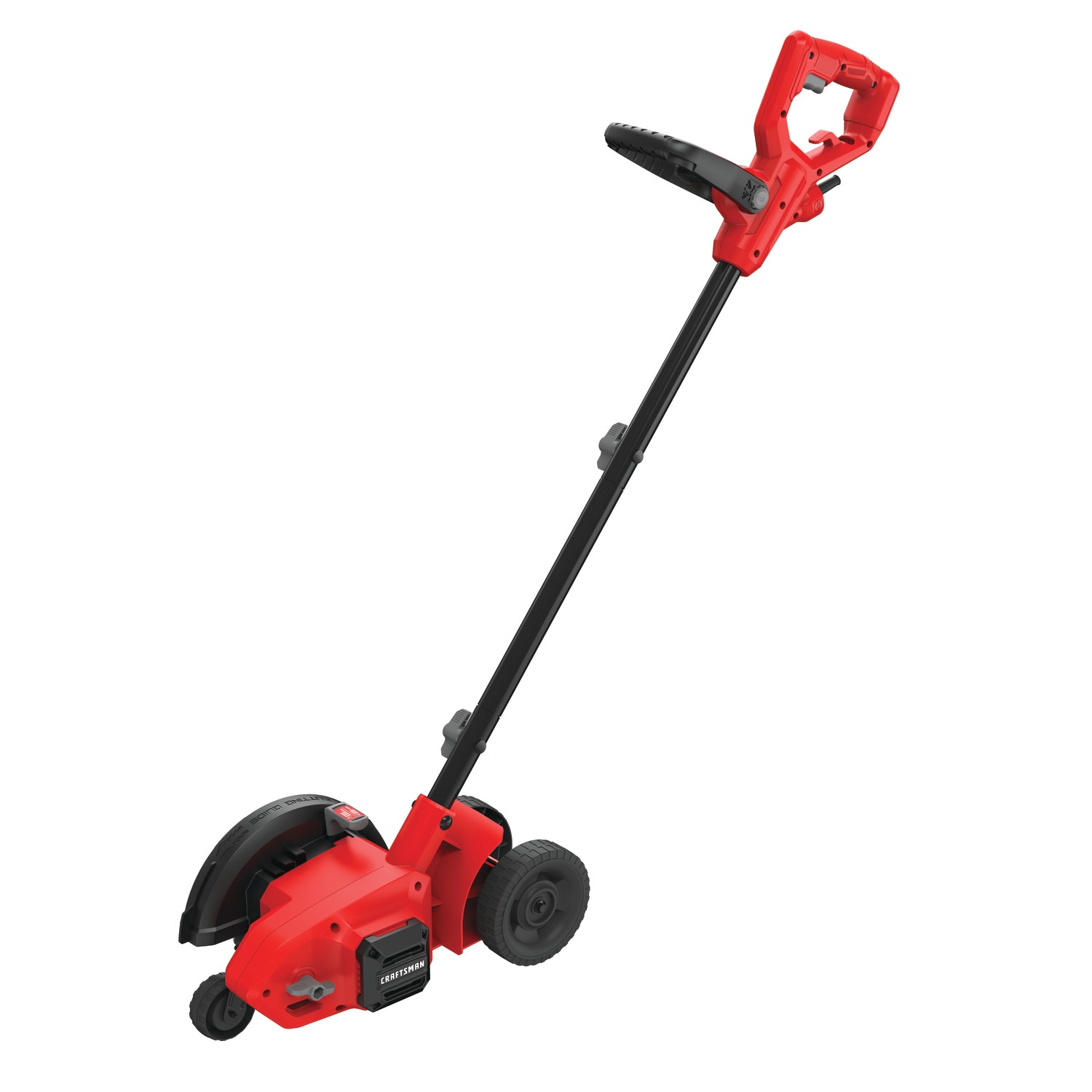
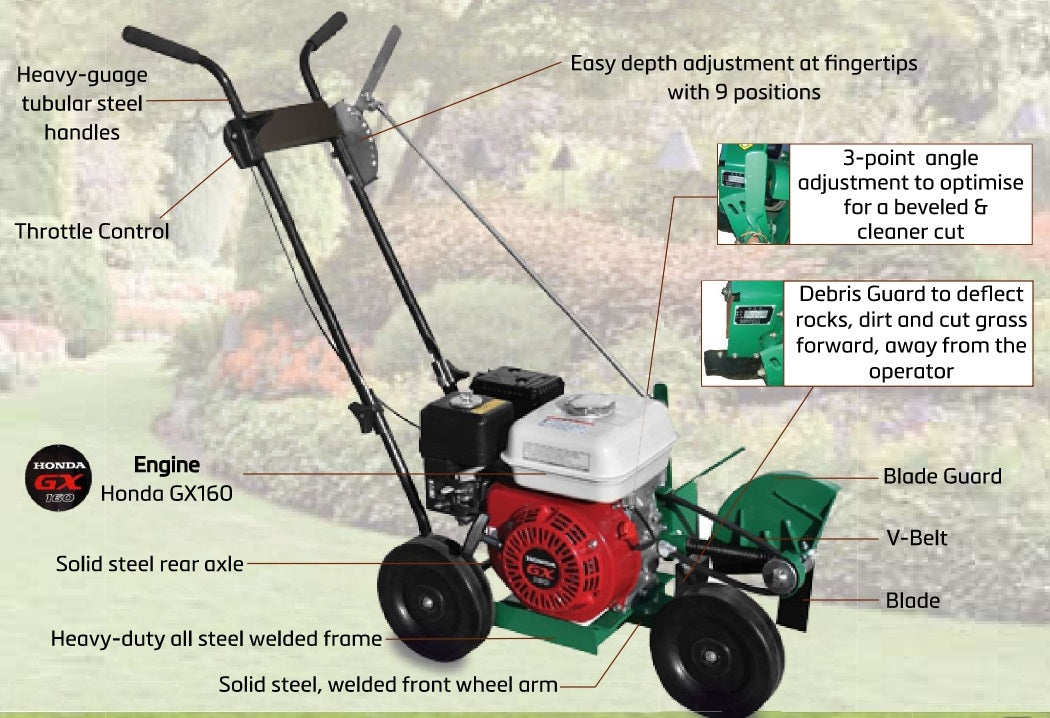
“edge-trimmer / lawn-edger” tools — including a simple manual edger and a heavier engine-driven edger (similar to what Greenman offers).

8
🧰 What these images show
- The manual edger: a half-moon steel blade with a long handle — used by hand to cut a neat, vertical “edge” between lawn/turf and a path or bed.
- Engine-powered edgers: walk-behind or small wheeled machines that precisely cut turf edges — useful for larger lawns, golf courses, or turf areas where neat borders matter.
- Use on turf/fairway/landscape edges: several photos illustrate use around paths, sand traps, and borders — places where an edger helps define boundaries and prevent turf overgrowth.
double-sided boom sprayer
✅ What is Greenman’s boom sprayer offering
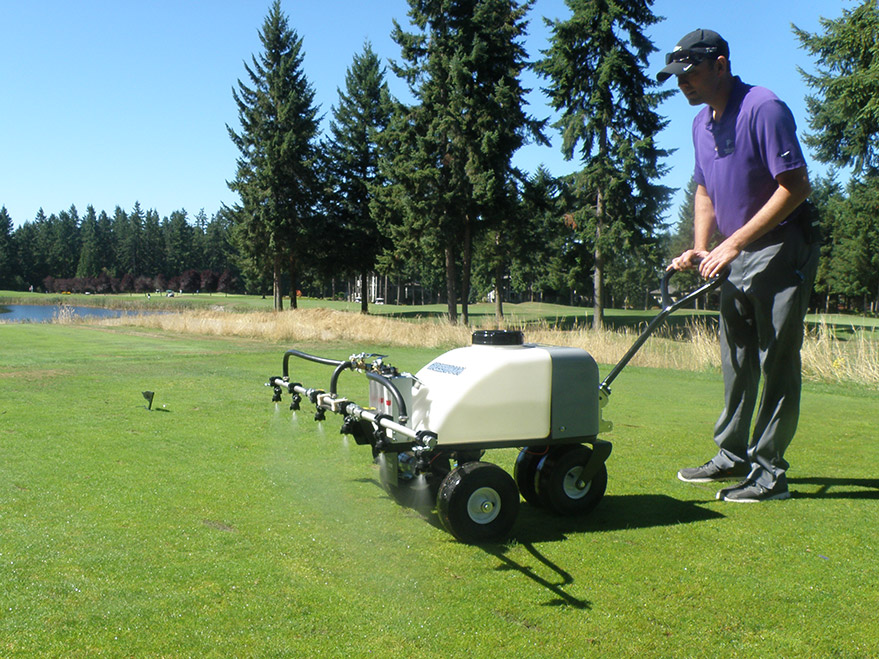
- The model Greenman Spray Hawk (model CD30E-200) is described as a walk-behind folding-boom sprayer with ~80″ boom width — light, portable, and meant for greens or turf areas where heavy sprayers are not practical. Greenman Golf & Turf Solutions+2nhturftech.com+2
- Another model, Greenman Spray Mate (model 2100E), is a pull-behind (tow-type) folding boom sprayer — uses a ~38 L (10-gallon) tank and battery-powered pump, with a spray width around 82–83″ (≈ 2.1 m) when booms are extended. Greenman Golf & Turf Solutions+1
Both of these are boom sprayers (i.e. they use a horizontal bar / “boom” with multiple nozzles to spray liquid—fertilizer, herbicide, wetting agents, water, etc.) and are clearly part of Greenman’s turf-equipment product line. greenmanmanufacture.com+1
📷 What they look like / Example Images

7
These show typical boom sprayers broadly similar to what “double-sided boom sprayer” implies: boom arms with multiple nozzles, tank + wheels + frame, designed for turf/green/lawn application.
⚠️ What “double-sided” might mean — and things to check
- “Double-sided boom” loosely describes a sprayer with two boom arms (left + right) that extend sideways from a center tank/pump—most of Greenman’s boom sprayers fit that description when their booms are unfolded.
- Because Greenman offers several sprayer types (walk-behind, pull-behind/tow-type, ride-on/tractor-mounted), if you want a heavy-duty sprayer with large tank & wide boom — you may need a larger towing or tractor-mounted model rather than the compact ones (Spray Hawk / Spray Mate) meant for smaller lawns, greens or limited-access areas.
- For large turf areas (fairways, big fields) a small boom-sprayer may be inefficient — coverage area, tank capacity, pump pressure, and nozzle configuration become critical.
✅ Conclusion — Yes: Greenman does offer boom sprayers
Your assumption is valid: Greenman has boom-sprayer equipment in their lineup. If you mean a “double-sided boom sprayer,” likely the Spray Hawk or Spray Mate (or a tow/tractor-type sprayer from their line) is what you should look at.
light green stripper SH480
ChatGPT said:
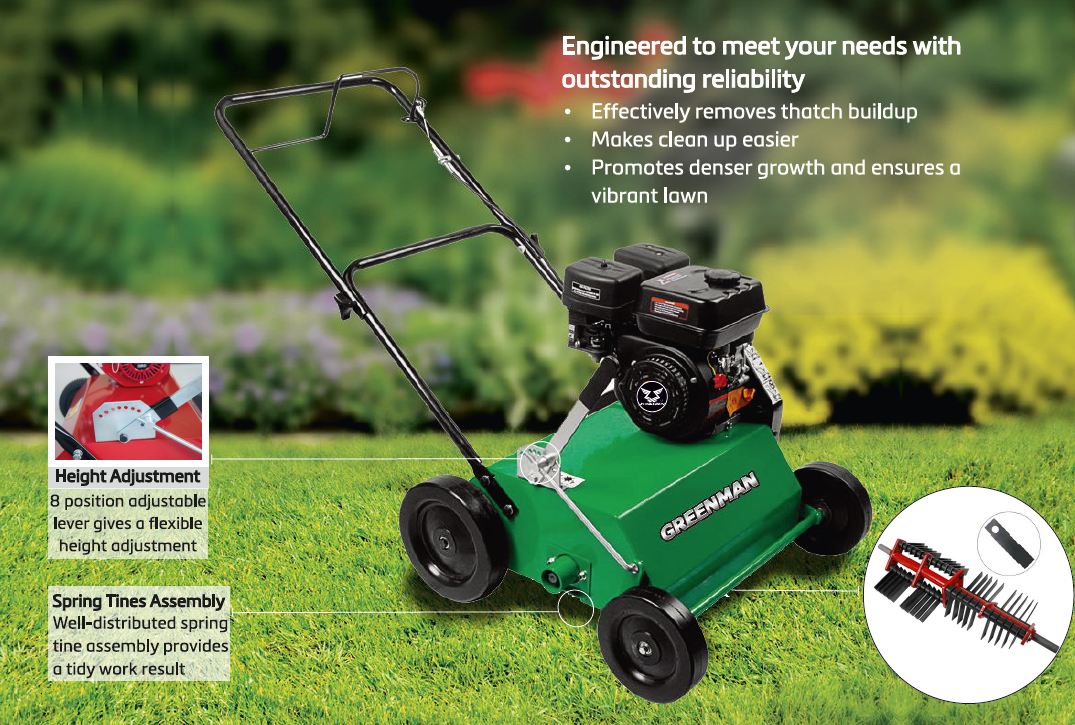
Good question. I tried to look for a “Greenman SH480 (or SH 480 / SH-480)” — and here’s what I found — and what remains unclear.
✅ What matches — likely you meant “SH55480 / SH-55480” rather than “SH480”
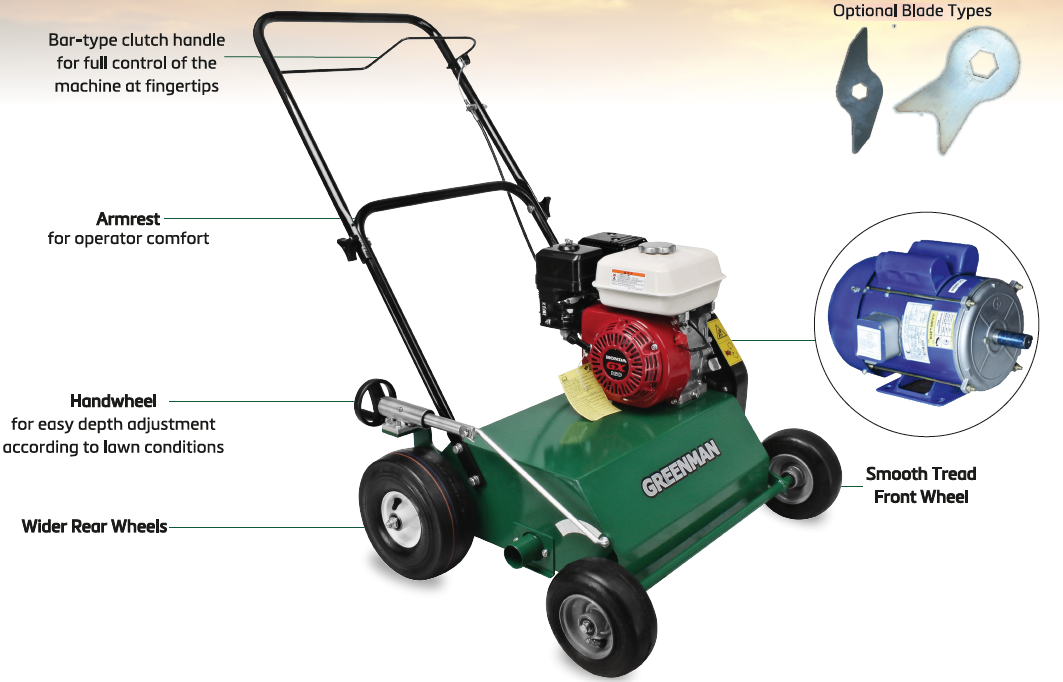
- There is a model listed as Greenman SH55480 described as a scarifier / verticutter: working width ~ 480 mm, adjustable cutting depth (0–30 mm), powered by a Honda GX160 petrol engine, with 17 blades, for turf maintenance such as aeration / dethatching. Agricare Corporation+2GreenKart.pk+2
- The spec sheet gives: working width 480 mm; depth adjustment up to 30 mm; drive: belt-driven; blade spacing 28 mm — suitable for fairways, greens, small to mid-size turf zones. Agricare Corporation+1
- That matches what many would call a “light verticut / scarifier / turf-maintenance machine.” So if by “SH480” you meant “a light scarifier around 480 mm wide from Greenman,” there is a product — just the correct model appears to be “SH55480.”
❓ What’s unclear — and why “SH480” may be a misunderstanding
- In my sources I did not find a machine explicitly named “SH480 turf stripper / scarifier / mower / stripper” by Greenman; “SH480” instead appears in unrelated context (excavator model references in industrial-equipment databases), which is obviously not turf-maintenance related. hangongmachinery.com+1
- The closest valid Greenman turf-machine listing is “SH55480” (sometimes “SH-55480”). That suggests “SH480” may be a truncated or mis-remembered version of that model name.
- I found no credible listing or brochure for a “Greenman SH480 sod-cutter / turf-stripper / fraise-mower / roller” — that makes it unlikely “SH480” is a standard turf-equipment model from Greenman, as far as publicly available info shows.
✅ What this means — use “SH55480” if you search / inquire / buy
If you are thinking of a “light verticut / scarifier / dethatching machine” from Greenman:
- You’re most likely referring to Greenman SH55480.
- It appears to be aimed at fairways, sports turf, greens or medium-size lawns where dethatching / surface aeration / turf maintenance (not deep core aeration) is needed.
- If you contact dealers or look for parts / spec sheets, use “SH55480” — this gives you actual specs (blade count, working width/depth, engine type).
⚠️ What it is not — Not a “turf stripper / fraise-mower”
“Scarifier / verticutter” like the SH55480 is intended for surface dethatching / light vertical cutting / turf grooming — not for stripping sod (full turf removal), deep renovation, or re-sodding tasks.
If you want a full-on turf-stripper / fraise mower (to remove turf, roots, thatch, etc.), you’d look at dedicated “turf-stripper / fraise-mower” machines from other manufacturers (or possibly Greenman — if they produced one — but no credible public data shows a Greenman model for that).
pond purification device (Caesar?)
Watermill
ChatGPT said:

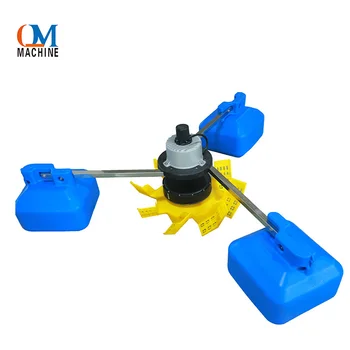
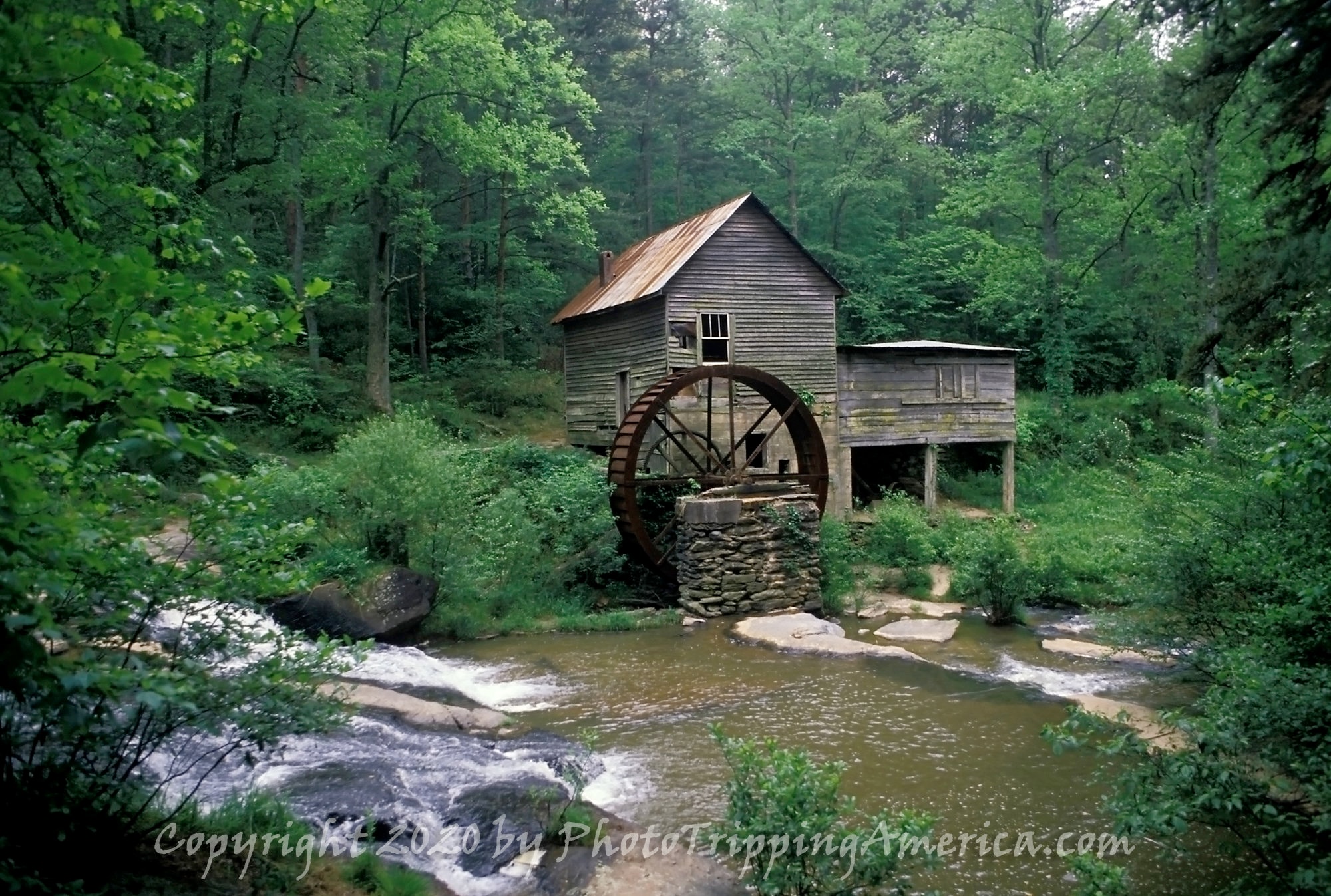
That’s an interesting comparison. Here’s how a “wheel-based aerator” (or similar device) can resemble a watermill / waterwheel in concept — and where the comparison breaks down.
🔄 Why people sometimes compare a wheel-aerator to a watermill
- A real Water wheel (aka watermill wheel) is a rotating wheel turned by flowing water, and historically it’s been used to convert water’s kinetic energy into mechanical work (grinding grain, pumping water, etc.). Encyclopedia Britannica+1
- Similarly, a “wheel aerator” or “wheel-based aeration system” for turf or ponds — such as a Water‑wheel aerator (used in ponds / aquaculture) — uses a rotating wheel or paddle-wheel mechanism to stir and aerate water. As water is paddled, oxygen is mixed into the water and circulation improves. aeratorfactory.com+1
- In that sense — the core principle is the same: a rotating wheel interacts with water to do mechanical work — for a waterwheel it drives machinery, for a wheel-aerator it mixes/oxygenates water or soil/water interface.
So yes — conceptually a wheel aerator can be similar to a watermill: both have rotating wheels using water (or water contact) to produce a useful effect.
⚠️ But — there are important differences (why it’s not truly the same)
- A watermill typically harnesses flowing water (river, stream, mill-race) to turn the wheel. A water-wheel aerator doesn’t need a flowing stream: often it uses an electric motor (or small engine) to spin paddles — the “waterwheel” term is more about the wheel/paddle form than about being powered by flowing water. en.oaquavalley.com+1
- The objective is different: watermills translate rotation into mechanical energy to grind or pump; water-wheel aerators aim to stir water and increase oxygenation — to improve water quality, reduce stagnation, support aquatic life or pond health. aeratorfactory.com+1
- For turf aeration: many “wheel aerators” don’t use water at all — instead they are wheels (or drums / rollers) with tines or spikes to penetrate soil, loosen compaction, improve drainage. That’s fundamentally different from a watermill or water-wheel-aerator. agrimetal.com+1
So while the “wheel turning in contact with water/soil” metaphor works, functionally the devices serve different domains (milling vs water aeration vs soil aeration).
🎯 Where “wheel-aerator / waterwheel-aerator” Makes Sense — And What It’s Good For
The “wheel-aerator / water-wheel-aerator” idea can be useful where:
- You have a pond, lake, or water body — and need to improve oxygenation, circulation, prevent stagnation or algae by agitating water. Paddle-wheel or water-wheel aerators are common in aquaculture, ornamental ponds, fish farms. en.oaquavalley.com+1
- On wet turf or saturated soil, a “wheel aerator” (with tines/spikes) can help loosen soil compaction, improve drainage, and allow better air/water/nutrient penetration — albeit this is a soil-mechanical process, not “water-powered.” ojcompagnie.com+1
- When you want a relatively simple mechanical solution (paddles or wheels) rather than complex pumps or chemical treatments — for water or turf health depending on the design.
✅ Conclusion — “Wheel aerator = possible water-wheel-like device, but not automatically”
If by “like a watermill” you meant a device that uses wheel-rotation (with paddles or tines) to aerate / agitate either water or soil — yes, “wheel aerators” or “water-wheel aerators” do exist and share structural similarities with watermills.
But whether that works well depends on what you need — pond water circulation, turf soil aeration, drainage improvement, aquatic oxygenation — and the specific design of the aerator (paddles vs tines, motor vs water-flow, water vs soil).